













What is Cybersecurity? A Complete Guide to Protecting Digital Assets
Learn what cybersecurity is, why it matters, common cyber threats, types of cybersecurity, best practices, and how businesses can protect their digital assets in 2026.


Introduction
Cybersecurity has become one of the most critical priorities for organizations, governments, and individuals worldwide. As businesses rely more on cloud computing, remote work, connected devices, and digital services, the number and sophistication of cyberattacks continue to grow.
From ransomware and phishing campaigns to supply chain attacks and cloud misconfigurations, cyber threats can disrupt operations, expose sensitive information, and result in significant financial and reputational damage.
Cybersecurity is the practice of protecting systems, networks, applications, and data from unauthorized access, cyberattacks, and digital threats. It combines technology, processes, and people to reduce cyber risk and ensure the confidentiality, integrity, and availability of information.
Whether you are a startup, an enterprise, a government organization, or an individual user, understanding cybersecurity is essential for operating safely in today's digital environment.
Table of Contents
- What is Cybersecurity?
- Why is Cybersecurity Important?
- How Cybersecurity Works
- Types of Cybersecurity
- Common Cyber Threats
- Cybersecurity Best Practices
- Benefits of Cybersecurity
- Cybersecurity Challenges
- Future of Cybersecurity
- How IntelligenceX Helps Organizations Improve Cybersecurity
- Frequently Asked Questions
Cybersecurity is the discipline of protecting digital assets, including computers, servers, mobile devices, cloud environments, applications, and networks, from cyber threats and unauthorized access.
Its primary objective is to reduce security risks while ensuring that critical systems remain available, secure, and resilient against evolving attacks.
Modern cybersecurity goes beyond installing antivirus software. It involves continuous monitoring, proactive threat detection, security testing, vulnerability management, incident response, employee awareness training, and compliance with industry regulations.
A successful cybersecurity strategy combines multiple layers of protection across an organization's infrastructure to prevent attackers from exploiting weaknesses.
Why is Cybersecurity Important?
Every organization stores valuable information such as customer records, financial data, intellectual property, and operational systems. Cybercriminals target these assets for financial gain, espionage, disruption, or data theft.
Without effective cybersecurity, organizations may experience:
- Data breaches
- Financial losses
- Business disruption
- Regulatory penalties
- Loss of customer trust
- Intellectual property theft
- Operational downtime
As cyberattacks become more advanced, organizations need proactive security measures rather than reactive solutions.
How Cybersecurity Works
Cybersecurity follows a defense-in-depth approach, where multiple layers of security work together to reduce risk.
These layers typically include:
Network Security
Protects internal and external networks against unauthorized access, malware, and attacks through firewalls, intrusion detection systems, and network monitoring.
Endpoint Security
Secures laptops, desktops, servers, and mobile devices using endpoint detection and response (EDR), antivirus solutions, and device management policies.
Application Security
Ensures software applications are developed, tested, and maintained securely by identifying vulnerabilities before attackers can exploit them.
Cloud Security
Protects cloud infrastructure, workloads, identities, storage, and configurations across platforms such as AWS, Microsoft Azure, and Google Cloud.
Identity and Access Management (IAM)
Controls who can access organizational resources by implementing authentication, authorization, least-privilege access, and multi-factor authentication (MFA).
Security Monitoring
Uses Security Operations Centers (SOC), Managed Detection and Response (MDR), SIEM platforms, and threat intelligence to detect suspicious activities in real time.
Core Objectives of Cybersecurity
Every cybersecurity program is built around three fundamental principles, commonly known as the CIA Triad.
Confidentiality
Ensures that only authorized users can access sensitive information.
Integrity
Protects data from unauthorized modification or tampering.
Availability
Ensures systems and services remain accessible when needed, even during cyber incidents.
Together, these principles help organizations maintain secure, reliable, and trustworthy digital operations.
Why Every Business Needs Cybersecurity
Cybersecurity is no longer limited to large enterprises. Organizations of all sizes face risks from phishing attacks, ransomware, insider threats, and software vulnerabilities.
Businesses invest in cybersecurity to:
- Protect customer data
- Maintain regulatory compliance
- Reduce operational risk
- Prevent financial losses
- Secure cloud infrastructure
- Strengthen business continuity
- Improve customer confidence
As digital transformation accelerates, cybersecurity has become a business requirement rather than simply an IT responsibility.
Types of Cybersecurity
Cybersecurity is a broad discipline that includes multiple security domains, each designed to protect different parts of an organization's IT infrastructure. An effective cybersecurity strategy combines these domains to create multiple layers of defense against cyber threats.
1. Network Security
Network security focuses on protecting an organization's internal and external networks from unauthorized access, malware, ransomware, and other cyberattacks.
Common network security technologies include:
- Firewalls
- Intrusion Detection Systems (IDS)
- Intrusion Prevention Systems (IPS)
- Network Segmentation
- VPNs
- Zero Trust Network Access (ZTNA)
Organizations use these technologies to secure communication between users, devices, applications, and cloud environments.
2. Application Security
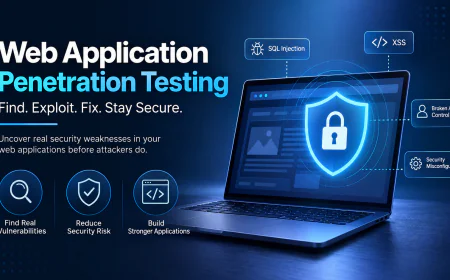
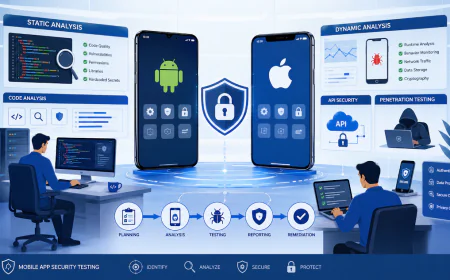
Modern businesses rely heavily on web applications, APIs, and mobile applications. Attackers frequently target software vulnerabilities to gain unauthorized access or steal sensitive information.
Application security includes:
- Secure Software Development Lifecycle (SSDLC)
- Secure Code Reviews
- Static Application Security Testing (SAST)
- Dynamic Application Security Testing (DAST)
- API Security Testing
- Web Application Firewalls (WAF)
Regular security testing helps organizations identify vulnerabilities before attackers can exploit them.
3. Cloud Security
As organizations migrate workloads to cloud platforms such as Amazon Web Services (AWS), Microsoft Azure, and Google Cloud Platform (GCP), securing cloud infrastructure has become a critical cybersecurity priority.
Cloud security focuses on protecting:
- Cloud workloads
- Virtual machines
- Containers
- Storage
- Identities
- APIs
- Cloud configurations
Organizations often implement continuous monitoring and security posture management to identify misconfigurations before they become security risks.
4. Endpoint Security
Every laptop, desktop, mobile device, and server connected to a network represents a potential entry point for attackers.
Endpoint security helps protect these devices through:
- Antivirus solutions
- Endpoint Detection and Response (EDR)
- Device encryption
- Patch management
- Device monitoring
With remote work becoming increasingly common, endpoint security has become one of the most important components of modern cybersecurity.
5. Identity and Access Management (IAM)
Identity is the new security perimeter.
Identity and Access Management (IAM) ensures that only authorized users have access to systems, applications, and sensitive information.
Common IAM controls include:
- Multi-Factor Authentication (MFA)
- Single Sign-On (SSO)
- Least Privilege Access
- Role-Based Access Control (RBAC)
- Password Policies
Strong identity security significantly reduces the likelihood of unauthorized access.
6. Data Security
Data is one of the most valuable assets for any organization.
Data security protects information during:
- Storage
- Processing
- Transmission
Common security measures include:
- Encryption
- Backup & Recovery
- Data Loss Prevention (DLP)
- Access Controls
- Tokenization
Protecting sensitive information is essential for maintaining customer trust and meeting regulatory requirements.
7. Operational Security (OPSEC)
Operational security focuses on securing business processes, infrastructure, and daily operations.
It includes:
- Asset Management
- Risk Assessments
- Security Policies
- Change Management
- Incident Response Planning
A well-defined operational security strategy helps organizations maintain resilience against evolving cyber threats.
Common Cyber Threats
Cybercriminals continuously develop new attack techniques. Understanding these threats is the first step toward building an effective cybersecurity strategy.
Malware
Malware refers to malicious software designed to damage, disrupt, or gain unauthorized access to systems.
Examples include:
- Viruses
- Worms
- Trojans
- Spyware
- Rootkits
Malware often spreads through malicious downloads, infected email attachments, or compromised websites.
Ransomware
Ransomware encrypts an organization's files and demands payment in exchange for the decryption key.
Modern ransomware attacks often involve:
- Data theft
- Double extortion
- Business disruption
Organizations should implement regular backups, network segmentation, and endpoint protection to reduce ransomware risks.
Phishing
Phishing is one of the most common cyberattacks.
Attackers impersonate trusted organizations to trick users into revealing:
- Passwords
- Banking information
- Company credentials
Security awareness training plays a significant role in reducing phishing risks.
Social Engineering
Rather than exploiting technology, social engineering exploits human psychology.
Attackers manipulate employees into:
- Sharing confidential information
- Downloading malware
- Granting unauthorized access
Employee awareness remains one of the strongest defenses against social engineering attacks.
Insider Threats
Not all cyber threats originate from external attackers.
Insider threats may involve:
- Disgruntled employees
- Negligent users
- Third-party contractors
- Compromised user accounts
Implementing access controls and continuous monitoring helps minimize insider risks.
Supply Chain Attacks
Attackers increasingly target trusted vendors and software providers to compromise downstream organizations.
These attacks demonstrate why organizations should evaluate third-party security practices and continuously monitor software dependencies.
Cybersecurity Best Practices
Organizations can significantly improve their security posture by adopting proven cybersecurity practices.
Some of the most effective best practices include:
- Enable Multi-Factor Authentication (MFA)
- Keep systems and software updated
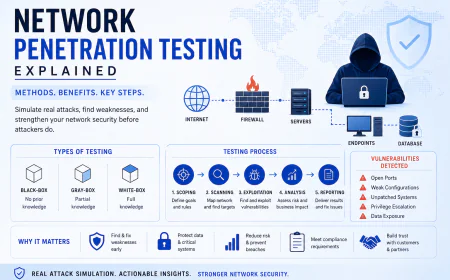
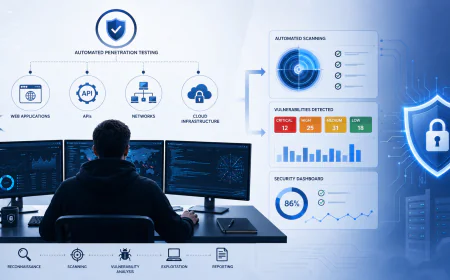
- Conduct regular penetration testing
- Monitor network activity continuously
- Train employees to recognize phishing attacks
- Encrypt sensitive information
- Perform regular backups
- Follow the Principle of Least Privilege
- Implement Zero Trust Architecture
- Maintain an Incident Response Plan
Cybersecurity is an ongoing process rather than a one-time implementation. Continuous monitoring, regular assessments, and employee awareness are essential for staying ahead of evolving threats.
Benefits of Cybersecurity
Investing in cybersecurity is no longer optional. It is a strategic business decision that helps organizations protect their operations, customers, and reputation.
Below are some of the key benefits of implementing a strong cybersecurity strategy.
1. Protects Sensitive Data
Organizations store large volumes of confidential information, including customer records, financial data, employee information, intellectual property, and business documents.
Cybersecurity helps prevent unauthorized access to this data through encryption, access controls, continuous monitoring, and secure authentication mechanisms.
2. Reduces Financial Losses
Cyberattacks can result in significant financial damage due to operational downtime, legal penalties, recovery costs, and reputational harm.
A proactive cybersecurity program reduces the likelihood of costly security incidents and minimizes business disruption.
3. Maintains Business Continuity
Business continuity depends on the availability of systems, applications, and critical infrastructure.
Security controls such as backups, disaster recovery planning, endpoint protection, and continuous monitoring help organizations recover quickly from cyber incidents.
4. Supports Regulatory Compliance
Many industries are required to comply with cybersecurity and privacy regulations.
Examples include:
Meeting these requirements helps organizations avoid regulatory penalties while improving customer trust.
5. Builds Customer Trust
Customers expect organizations to protect their personal and financial information.
A mature cybersecurity program demonstrates a commitment to protecting sensitive data, strengthening brand reputation, and building long-term customer confidence.
Common Cybersecurity Challenges
Despite significant investments in cybersecurity, organizations continue to face evolving security challenges.
Increasingly Sophisticated Attacks
Cybercriminals continuously develop new attack techniques, including ransomware, AI-powered phishing, and supply chain attacks.
Organizations must continuously update their security strategies to stay ahead of emerging threats.
Human Error
Employees remain one of the most common causes of security incidents.
Weak passwords, phishing attacks, accidental data exposure, and poor security awareness continue to create significant organizational risks.
Regular security awareness training helps reduce these risks.
Cloud Security Risks
As businesses migrate to cloud environments, cloud misconfigurations have become a leading cause of data breaches.
Proper cloud governance, identity management, and continuous security monitoring are essential for securing cloud workloads.
Skills Shortage
Many organizations struggle to hire experienced cybersecurity professionals.
As cyber threats continue to evolve, businesses increasingly rely on managed security services and specialized cybersecurity partners to supplement their internal teams.
The Future of Cybersecurity
Cybersecurity continues to evolve rapidly as organizations adopt artificial intelligence, cloud-native technologies, Internet of Things (IoT), and remote work environments.
Some of the most significant cybersecurity trends include:
- AI-assisted threat detection
- Zero Trust Architecture
- Cloud-native security
- Extended Detection and Response (XDR)
- Identity-first security
- Continuous security validation
- Security automation
- Cyber resilience strategies
Organizations that adopt proactive security strategies will be better positioned to defend against future cyber threats.
The Cybersecurity Skills That Will Rule 2026
How IntelligenceX Helps Organizations Improve Cybersecurity
Building an effective cybersecurity program requires more than technology alone. Organizations need experienced professionals, well-defined processes, continuous monitoring, and security assessments that evolve alongside modern threats.
Organizations looking to strengthen their security posture often partner with experienced cybersecurity providers. IntelligenceX offers a comprehensive range of cybersecurity services, including penetration testing, managed detection and response (MDR), cloud security, DevSecOps, incident response, and compliance consulting.
Its service portfolio includes:
- Penetration Testing
- Cloud Security
- Managed Detection & Response (MDR)
- Incident Response
- DevSecOps
- Security Awareness Training
- Compliance & Risk Management
These services help businesses identify vulnerabilities, improve cyber resilience, support regulatory compliance, and respond effectively to evolving threats.
Conclusion
Cybersecurity has become a fundamental business requirement in today's digital economy. As cyber threats continue to grow in frequency and sophistication, organizations must adopt a proactive, multi-layered security strategy that protects systems, data, employees, and customers.
A successful cybersecurity program combines technology, skilled professionals, secure processes, and continuous improvement. Whether securing cloud infrastructure, defending against ransomware, conducting penetration testing, or meeting compliance requirements, investing in cybersecurity helps organizations reduce risk while enabling long-term business growth.
Rather than treating cybersecurity as a one-time project, businesses should view it as an ongoing commitment to resilience, trust, and operational excellence.