















HIPAA: Health Insurance Portability and Accountability Act for Medical Data
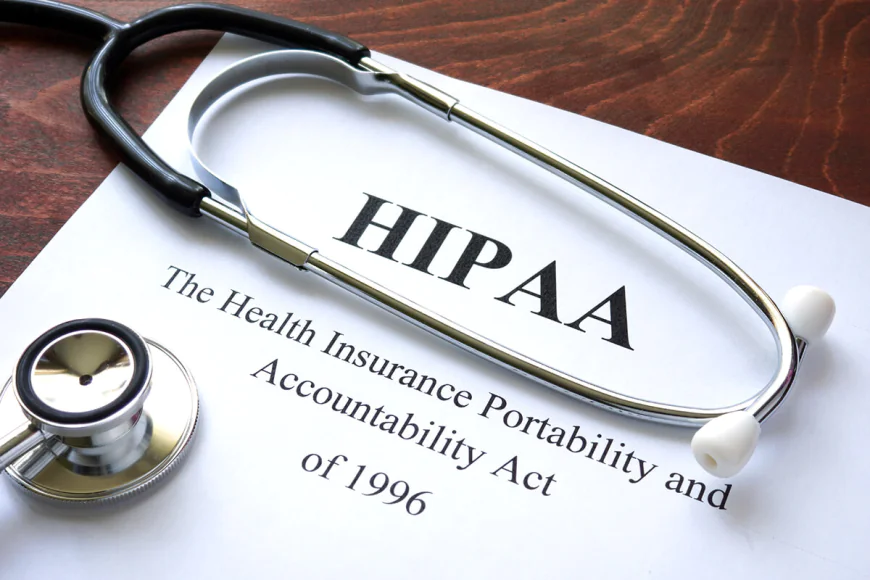
The Health Insurance Portability and Accountability Act, which is also known as HIPAA is a set of rules that was created in 1996. It is overseen by the Department of Health and Human Services and the Office for Civil Rights. These groups make sure that HIPAA is followed correctly. The Department of Health and Human Services and the Office, for Civil Rights work together to manage HIPAA.

This is about patient privacy rights. We need to make sure that patient information is safe. This includes having security controls to protect patient data privacy and other health information that organizations have.
We need regulations to keep patient information secret when we use record keeping, digital data transfer and other online services, for patient information. Patient privacy rights are very important. Regulations are necessary to protect patient information.
Importance:
HIPAA compliance is really important for any organization or individual that works with protected health information. This is the information that doctors and hospitals use. It also includes health plans and health insurance companies. Basically any organization that deals with healthcare has to follow HIPAA compliance. This means that healthcare providers like doctors and hospitals have to be careful, with protected health information. Health plans and health insurance companies also have to follow the rules. Any other organization that is involved with the healthcare industry has to make sure they are following HIPAA compliance when they generate, receive, maintain or circulate protected health information.

HIPAA Compliance Value:
We need to follow HIPAA compliance so that we can keep healthcare information safe. This is a government law that applies to organizations that handle patient’s medical records and personal details. These organizations must follow the rules to protect information like patient records, health insurance details and other private healthcare information. HIPAA compliance is really important to keep this kind of information secure. Organizations that deal with medical data must comply with these standards to safeguard sensitive data, such as HIPAA compliance protecting patient medical records and health insurance information and other personal and protected health details which is what HIPAA compliance is all, about.
Penalties if Failing to Comply with HIPAA:
If you do not follow the HIPAA Act rules you will have problems. The Health Insurance Portability and Accountability Act is very serious. Organizations that do not obey the guidelines will get in trouble. They will have to pay fines. HIPAA violations can result in fines and damage, to a medical offices reputation.

HIPAA Violations: HIPAA violations can happen when medical information is sent over email or text message without being encrypted.
- Not keeping proper and systematic documents is one of the main reason to leading law violation.
- An illegal exposure of data to unauthorized parties, whether knowingly or accidentally: If somebody exposes patient’s personal records to any third party without patient’s consent will count as an illegal act and violation of the law.
- Failure to implement proper security protocols as defined by the HIPAA Security Rule.
- Improper and inadequate training for such responsibilities can also lead to HIPAA violation.
- If an organization does not inform the party about any such data glitches also falls under the law violation. The company should inform the individual about data breaches else they can face serious legal actions against that company.
- A lethargic approach to updates and careless job behavior fails to meet the guidelines properly. A responsible organization needs to be fully upgraded on any new changes or updates related to the health law. Failing to meet these key points, will lead to penalties.
- Unprotected system: If the operating systems are not fully protected and anybody can access that system freely, it create a loophole for data breaches.
- Sharing passwords: When secret passwords which are created to maintain the privacy policy between authorized parties only, get shared with another person can threaten data disclosure.
Violation fines:
Up to $1.5 million for a single violation
Up to $15 million for multiple violations
Up to $50000 per violation for knowingly done

HIPAA Four Main Rules for Compliance:
- Privacy Rule: In this rule, healthcare organization must respect the patient data privacy policy. The patient has all rights to keep his medical reports completely private with healthcare centers.
- Security Rule: Next rule is securing that private data which is created by medical institutes or shared by an individual. These organizations must have a strong security to save all medical information. They should not provide any unauthorized access to their record system. These systems should be access protected to only authorized person and nobody else.
- Disclosure Notification Rule: Due to any system glitch or human error if any personal information gets leaked without the consent, will be a punishable offence. In this scenario the victim needs to be informed immediately. Otherwise, that data can be misused for any kind of harassment as a consequence. This is the third most important rule of HIPAA.
- Collective Data Rule: Another vital rule of this law is to save all healthcare documents in one secure place with correct bifurcation. Neatly arranged and well organized data eases the work and makes less chances of breaches.
Insights of the Health Insurance Portability and Accountability Act

It’s a continuous ongoing process.
Healthcare companies are completely loaded with responsibilities towards their customer’s data privacy and security.
Medical organizations should rely under enforced law for data safety. They need to be obedient to avoid any unpleasant consequences.
Medical staff should be fully trained for their job responsibilities.
People should be aware of these security information and new updates regulated by the Government for their safety.
The patient and healthcare service providers need to be extra careful about their personal medical details. They should keep an eye that their data is not being shared to any unofficial medium or person.
Even when adhering all guidelines, any mishap occurs the institute should inform the person about their data compromising instantly to avoid any illegal actions.
Patients’ all the documents should be saved and protected digitally.
All medical data needs to be maintained ethically and should be available when asked by the concerned person.