















What is VAPT (Vulnerability Assessment and Penetration Testing)? A Complete Guide
Learn what VAPT (Vulnerability Assessment and Penetration Testing) is, how it works, why organizations need VAPT, its methodology, benefits, compliance requirements, and how VAPT strengthens cybersecurity by identifying and validating security vulnerabilities.

Introduction
Modern organizations operate in an increasingly complex digital landscape where applications, cloud environments, APIs, endpoints, and enterprise networks are continuously exposed to evolving cyber threats. Attackers no longer rely solely on sophisticated zero-day exploits; many successful cyberattacks originate from known vulnerabilities, insecure configurations, weak authentication mechanisms, or unpatched systems.
As a result, organizations must adopt proactive cybersecurity strategies that identify weaknesses before attackers can exploit them. This is where professional cybersecurity services play a vital role by helping businesses continuously evaluate, strengthen, and validate their security posture.
One of the most effective approaches is Vulnerability Assessment and Penetration Testing (VAPT).
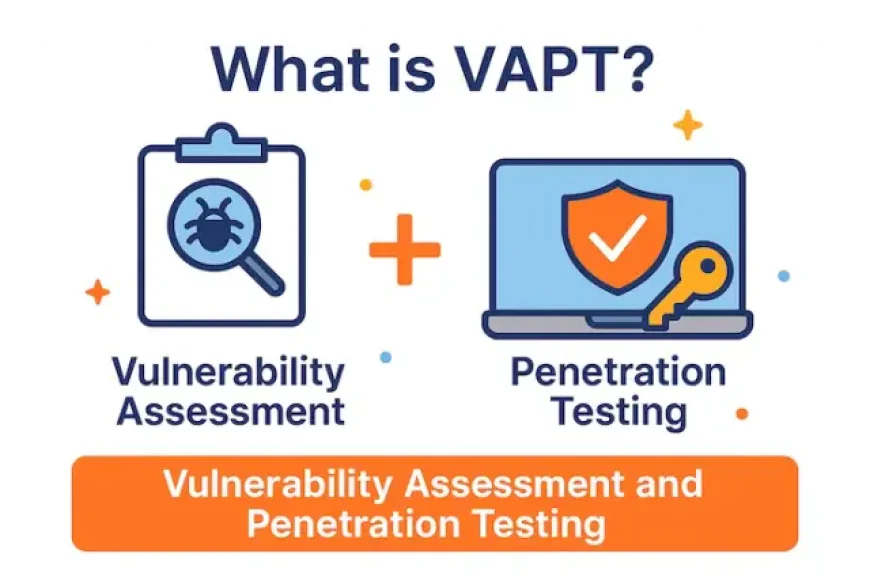
VAPT combines two complementary security practices:
- Vulnerability Assessment, which systematically identifies and prioritizes security weaknesses.
- Penetration Testing, which safely attempts to exploit those weaknesses to determine their real-world impact.
Together, these activities provide organizations with a comprehensive understanding of their security posture while helping security teams prioritize remediation efforts based on actual business risk.
Unlike traditional security scanning, VAPT not only identifies vulnerabilities but also validates whether those vulnerabilities can be exploited by attackers.
Organizations across healthcare, banking, government, manufacturing, retail, education, and SaaS industries regularly perform VAPT to improve cybersecurity, strengthen compliance, reduce cyber risk, and protect critical digital assets.
In this guide, you'll learn what VAPT is, how it works, its methodology, assessment types, industry standards, compliance requirements, best practices, benefits, and how professional cybersecurity services help organizations implement effective VAPT programs.
Table of Contents
- What is VAPT?
- Why VAPT is Important
- Difference Between Vulnerability Assessment and Penetration Testing
- How VAPT Works
- VAPT Methodology
- Types of VAPT
- VAPT Standards and Frameworks
- Common Vulnerabilities Found During VAPT
- Benefits
- Challenges
- Best Practices
- Relationship with Other Cybersecurity Domains
- How IntelligenceX Delivers Cybersecurity Services
- Conclusion
- FAQs
What is VAPT?
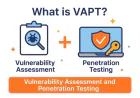
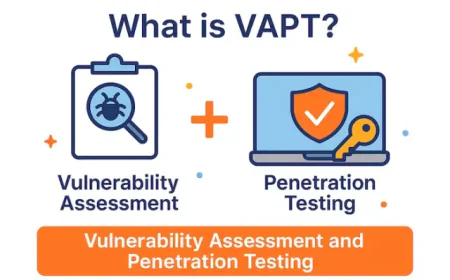
Vulnerability Assessment and Penetration Testing (VAPT) is a comprehensive security assessment methodology used to identify, analyze, validate, and prioritize security weaknesses across an organization's digital infrastructure.
Unlike performing either assessment independently, VAPT combines automated vulnerability discovery with expert-led penetration testing to provide a realistic understanding of organizational cyber risk.
The primary objectives of VAPT are to:
- Identify known vulnerabilities
- Validate exploitability
- Assess business impact
- Prioritize remediation
- Improve overall cybersecurity
- Strengthen regulatory compliance
- Reduce organizational cyber risk
VAPT assessments commonly evaluate:
Network Infrastructure
Routers, switches, firewalls, VPN appliances, wireless infrastructure, Active Directory environments, and internal networks.
Web Applications
Customer portals, enterprise applications, e-commerce platforms, SaaS applications, and internal business systems.
Mobile Applications
Android and iOS applications handling sensitive customer information.
APIs
REST APIs, GraphQL APIs, SOAP services, and microservices communication.
Cloud Infrastructure
AWS, Microsoft Azure, Google Cloud Platform, Kubernetes clusters, containers, serverless services, and hybrid cloud environments.
Endpoints
Windows, Linux, macOS, virtual machines, employee laptops, workstations, and mobile devices.
By combining Vulnerability Assessment with Penetration Testing, organizations obtain both visibility into security weaknesses and confidence in understanding which weaknesses present the greatest real-world risk.
Why is VAPT Important?
Cyber threats evolve continuously, and organizations can no longer rely solely on traditional security controls such as firewalls or antivirus software.
Attackers actively scan organizations for weak authentication, exposed APIs, insecure cloud configurations, outdated software, and vulnerable applications.
VAPT enables organizations to identify and remediate these weaknesses before attackers exploit them.
Key benefits include:
Strengthening Cybersecurity
VAPT provides a realistic assessment of an organization's cybersecurity posture by identifying weaknesses across infrastructure, applications, cloud environments, APIs, and endpoints.
Supporting Cybersecurity Services
Professional cybersecurity services use VAPT to provide organizations with actionable recommendations that improve security posture while reducing operational and financial risk.
Protecting Sensitive Information
Organizations handling financial records, healthcare information, customer data, intellectual property, and confidential business documents benefit from proactive security assessments.
Supporting Regulatory Compliance
Many compliance standards recommend or require regular VAPT activities, including:
- ISO 27001
- PCI DSS
- HIPAA
- SOC 2
- GDPR
- DPDPA
Regular VAPT assessments help organizations prepare for audits while demonstrating strong security governance.
Reducing Business Risk
Identifying exploitable vulnerabilities before attackers do significantly reduces the likelihood of successful cyberattacks, ransomware incidents, and costly data breaches.
Difference Between Vulnerability Assessment and Penetration Testing
Although often mentioned together, Vulnerability Assessment and Penetration Testing serve different purposes.
| Vulnerability Assessment | Penetration Testing |
|---|---|
| Identifies vulnerabilities | Attempts to exploit vulnerabilities |
| Primarily automated | Primarily manual |
| Broad security coverage | Focused attack simulation |
| Prioritizes weaknesses | Validates real-world impact |
| Generates vulnerability reports | Demonstrates exploitation paths |
| Lower operational risk | Requires experienced security professionals |
When combined, both assessments provide a complete understanding of organizational cyber risk.
How VAPT Works
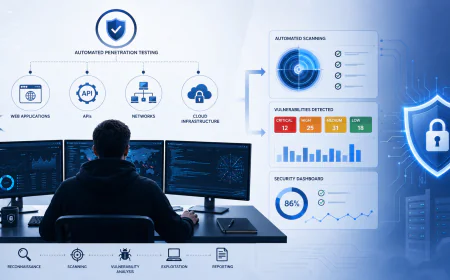
A VAPT engagement follows a structured methodology designed to identify vulnerabilities, validate exploitability, prioritize remediation, and improve long-term cybersecurity resilience.
The process typically includes several stages.
Scope Definition
Security teams define:
- Systems
- Applications
- APIs
- Cloud environments
- Network ranges
- Compliance objectives
- Testing rules
- Business requirements
Clearly defining the scope ensures assessments remain controlled and aligned with organizational objectives.
Information Gathering
Security professionals collect publicly available and internal information about the target environment.
Information gathering may include:
- DNS enumeration
- Network discovery
- Technology fingerprinting
- Application mapping
- Cloud asset discovery
- Open-source intelligence (OSINT)
This reconnaissance phase helps identify potential attack surfaces before active testing begins.
Vulnerability Discovery
Automated vulnerability scanners identify:
- Missing patches
- Weak configurations
- Exposed services
- Outdated software
- Weak encryption
- Known CVEs
- Authentication weaknesses
The identified findings form the basis for deeper penetration testing activities.
VAPT Methodology
A professional VAPT engagement follows a structured methodology that combines automated vulnerability identification with manual security testing. Following a standardized approach ensures consistency, minimizes operational risks, and provides organizations with meaningful security insights.
Although individual methodologies may vary depending on the scope, industry, and regulatory requirements, most VAPT engagements follow the stages below.
Planning and Scope Definition
Every successful VAPT engagement begins with proper planning.
Security professionals work with stakeholders to define:
- Business objectives
- Systems within scope
- Applications
- APIs
- Cloud environments
- Network ranges
- Compliance requirements
- Rules of engagement
- Testing windows
Clearly defining the scope ensures the assessment remains focused while preventing unintended disruptions to production systems.
Reconnaissance
Reconnaissance is the process of collecting information about the target environment.
Security professionals gather information using both passive and active techniques, including:
- DNS enumeration
- WHOIS lookups
- Public IP discovery
- Technology fingerprinting
- Open-source intelligence (OSINT)
- Employee information
- Public repositories
- Cloud asset discovery
The information collected during this phase helps identify potential attack vectors and guides later testing activities.
Vulnerability Identification
Once the target environment has been mapped, automated vulnerability scanners identify known security weaknesses.
Typical findings include:
- Missing patches
- Known CVEs
- Weak SSL/TLS configurations
- Default credentials
- Open ports
- Weak authentication
- Outdated software
- Insecure services
- Configuration errors
This phase provides a broad overview of the organization's security posture.
Vulnerability Validation
Not every vulnerability reported by automated scanners represents an exploitable security issue.
Experienced cybersecurity professionals manually validate findings to:
- Remove false positives
- Confirm exploitability
- Evaluate business impact
- Verify asset exposure
- Determine actual organizational risk
Manual validation significantly improves assessment accuracy.
Penetration Testing
After vulnerabilities have been validated, ethical hackers attempt controlled exploitation.
The objective is not to damage systems but to determine whether identified vulnerabilities can actually be exploited.
Activities may include:
- Authentication bypass
- Privilege escalation
- SQL Injection
- Cross-Site Scripting (XSS)
- Remote Code Execution (RCE)
- API abuse
- Cloud privilege escalation
- Lateral movement
- Sensitive data access
This phase provides organizations with realistic insight into attacker capabilities.
Risk Analysis
Validated findings are prioritized according to:
- CVSS score
- Business criticality
- Ease of exploitation
- Internet exposure
- Availability of public exploits
- Compliance impact
Risk-based prioritization enables organizations to focus remediation efforts where they will have the greatest security impact.
Reporting
A professional VAPT report should provide more than a list of vulnerabilities.
Comprehensive reports typically include:
- Executive summary
- Technical findings
- Risk ratings
- Screenshots
- Proof of concept
- Business impact
- Remediation recommendations
- Compliance mapping
Well-structured reporting enables both technical teams and business leaders to understand organizational cyber risk.
Retesting
Once remediation activities have been completed, security professionals perform retesting.
Retesting confirms:
- Vulnerabilities have been successfully resolved
- Security controls function correctly
- No additional weaknesses were introduced during remediation
Retesting provides confidence that remediation efforts were effective.
Types of VAPT
Organizations require different types of VAPT depending on their technology stack and business requirements.
Network VAPT
Network VAPT evaluates internal and external network infrastructure.
Typical assessment targets include:
- Firewalls
- Routers
- Switches
- VPN gateways
- Active Directory
- Wireless networks
- Internal servers
Network VAPT helps strengthen Network Security by identifying weaknesses affecting enterprise infrastructure.
Web Application VAPT
Modern web applications process sensitive customer and business information.
Web Application VAPT identifies vulnerabilities such as:
- SQL Injection
- Cross-Site Scripting (XSS)
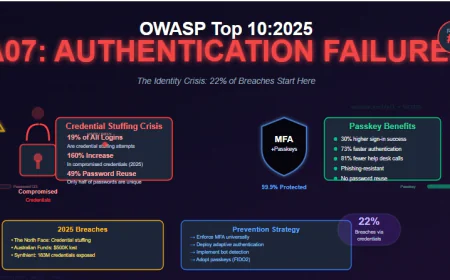
- Broken Authentication
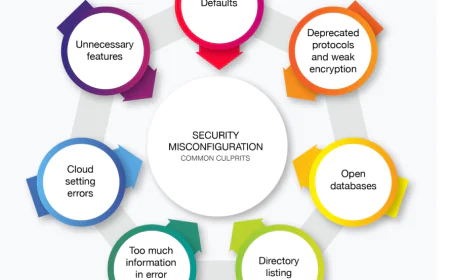
- Security Misconfiguration
- File Upload Vulnerabilities
- Session Management Issues
These assessments directly support Application Security initiatives.
Mobile Application VAPT
Mobile applications frequently store authentication tokens, customer information, and payment data.
Mobile VAPT evaluates:
- Android applications
- iOS applications
- Backend APIs
- Local storage
- Certificate validation
- Secure communication
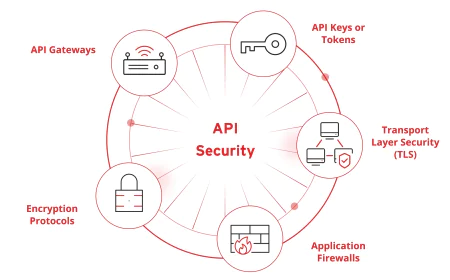
API VAPT
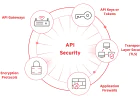
APIs have become one of the largest attack surfaces in modern software.
API VAPT evaluates:
- Authentication
- Authorization
- Rate limiting
- Token security
- Sensitive data exposure
- Business logic flaws
- API Gateway configuration
API VAPT supports broader API Security programs.
Cloud VAPT
Organizations adopting cloud platforms require specialized security assessments.
Cloud VAPT covers:
- AWS
- Microsoft Azure
- Google Cloud Platform
- Kubernetes
- Docker
- Containers
- Serverless infrastructure
- IAM permissions
These assessments help organizations improve Cloud Security while reducing cloud-related cyber risks.
Wireless VAPT
Wireless networks often become overlooked attack vectors.
Wireless assessments evaluate:
- Wi-Fi encryption
- Rogue access points
- Wireless authentication
- Signal leakage
- Guest network isolation
External Infrastructure VAPT
External VAPT focuses on internet-facing systems that attackers can access directly.
Typical targets include:
- Public IP addresses
- Websites
- Email servers
- VPN portals
- Public cloud services
- DNS infrastructure
Internal Infrastructure VAPT
Internal VAPT assumes an attacker has already gained network access.
Security professionals evaluate:
- Lateral movement
- Privilege escalation
- Active Directory security
- Internal segmentation
- Sensitive file access
Internal testing helps organizations understand the impact of insider threats or compromised endpoints.
VAPT Standards and Frameworks
Professional VAPT engagements follow internationally recognized cybersecurity standards to ensure assessments remain consistent, repeatable, and aligned with industry best practices.
Common frameworks include:
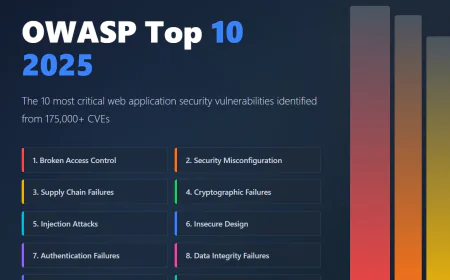
OWASP Testing Guide
The OWASP Testing Guide provides a structured methodology for assessing web application security.
It includes testing procedures covering authentication, authorization, session management, business logic, cryptography, APIs, and input validation.
NIST Cybersecurity Framework (CSF)
The NIST Cybersecurity Framework helps organizations identify, protect, detect, respond to, and recover from cybersecurity threats.
VAPT activities primarily support the Identify, Protect, and Detect functions.
PTES (Penetration Testing Execution Standard)
PTES defines a complete penetration testing methodology covering planning, intelligence gathering, vulnerability analysis, exploitation, post-exploitation, and reporting.
MITRE ATT&CK Framework
MITRE ATT&CK maps attacker behaviors observed during real-world cyber incidents.
Security professionals use ATT&CK techniques to simulate realistic attack scenarios during penetration testing.
CIS Controls
The CIS Critical Security Controls provide prioritized security practices that help organizations reduce cyber risk through practical security improvements.
ISO 27001
Organizations implementing ISO 27001 often perform regular VAPT activities to support Information Security Management System (ISMS) requirements and demonstrate continuous security improvement.
Common Vulnerabilities Identified During VAPT
VAPT engagements frequently identify recurring security weaknesses across enterprise environments.
Some of the most common include:
- SQL Injection
- Cross-Site Scripting (XSS)
- Broken Authentication
- Broken Access Control
- Remote Code Execution (RCE)
- Server-Side Request Forgery (SSRF)
- Security Misconfiguration
- Weak Password Policies
- Missing Security Patches
- Default Credentials
- Sensitive Data Exposure
- Insecure API Authentication
- Excessive Cloud Permissions
- Weak TLS Configurations
- Open Database Ports
- Privilege Escalation Opportunities
Identifying these vulnerabilities before attackers do enables organizations to reduce cyber risk while strengthening their overall cybersecurity posture.
Benefits of VAPT
VAPT provides organizations with a proactive approach to strengthening cybersecurity by identifying and validating security weaknesses before attackers can exploit them. Unlike traditional security assessments that focus only on identifying vulnerabilities, VAPT demonstrates how those vulnerabilities can impact business operations if left unaddressed.
Improves Overall Cybersecurity
One of the biggest advantages of VAPT is that it provides organizations with a realistic understanding of their cybersecurity posture.
By combining Vulnerability Assessment with Penetration Testing, organizations can identify technical weaknesses while also understanding which vulnerabilities present the greatest business risk.
Reduces Cyber Risk
Every identified and remediated vulnerability reduces the organization's attack surface.
Regular VAPT engagements significantly lower the likelihood of ransomware attacks, data breaches, unauthorized access, and business disruptions.
Supports Cybersecurity Services
Professional cybersecurity services use VAPT to provide organizations with actionable remediation plans rather than simply listing vulnerabilities.
This enables businesses to make informed security decisions while improving operational resilience.
Strengthens Regulatory Compliance
Many compliance standards either require or strongly recommend periodic VAPT activities.
Regular assessments support compliance initiatives related to:
- ISO 27001
- PCI DSS
- SOC 2
- HIPAA
- GDPR
- DPDPA
Performing scheduled VAPT engagements also demonstrates an organization's commitment to protecting sensitive information.
Improves Risk Prioritization
Not every vulnerability represents the same level of business risk.
Because Penetration Testing validates exploitability, organizations can prioritize remediation efforts according to actual impact rather than relying solely on vulnerability scores.
Protects Business Reputation
Security incidents often result in financial losses, regulatory investigations, and reputational damage.
Regular VAPT assessments help organizations proactively reduce these risks while improving customer confidence.
Common Challenges of VAPT
Although VAPT delivers significant security value, organizations frequently encounter several implementation challenges.
Large Enterprise Environments
Modern enterprises operate thousands of servers, endpoints, cloud workloads, APIs, and applications.
Maintaining complete visibility across such environments requires continuous asset discovery and well-defined assessment scopes.
False Positives
Automated vulnerability scanners occasionally report findings that cannot actually be exploited.
Manual validation by experienced security professionals helps eliminate false positives and improve report accuracy.
Rapid Technology Changes
Organizations continuously deploy new cloud services, applications, APIs, and infrastructure.
Security assessments should therefore become an ongoing cybersecurity process rather than an annual compliance exercise.
Resource Constraints
Many organizations lack dedicated offensive security teams.
Partnering with experienced cybersecurity services providers enables organizations to perform enterprise-grade VAPT assessments without maintaining large in-house security teams.
Balancing Security and Business Operations
Security testing must be carefully planned to minimize operational impact.
Clearly defined testing windows and rules of engagement help reduce disruption while ensuring comprehensive security coverage.
VAPT Best Practices
Organizations should adopt a structured approach to maximize the effectiveness of VAPT engagements.
Define a Clear Scope
Clearly identify systems, applications, APIs, cloud environments, and network segments before testing begins.
A well-defined scope ensures testing remains focused and aligned with business objectives.
Perform VAPT Regularly
Cyber threats evolve continuously.
Organizations should conduct VAPT assessments:
- Quarterly
- After major infrastructure changes
- Before production releases
- Following cloud migrations
- After significant application updates
Prioritize Critical Assets
Business-critical systems should receive higher assessment priority.
Examples include:
- Payment platforms
- Customer portals
- Healthcare applications
- Identity systems
- APIs
- Cloud management platforms
Combine Automated and Manual Testing
Automated scanning identifies known vulnerabilities efficiently, while manual Penetration Testing validates real-world exploitability.
Using both techniques together provides far greater security visibility.
Integrate Security into DevSecOps
Organizations implementing DevSecOps should integrate vulnerability scanning directly into CI/CD pipelines.
This enables developers to identify and remediate security issues before deployment.
Track Remediation Progress
Every identified vulnerability should have:
- Assigned ownership
- Target remediation date
- Business priority
- Verification status
Tracking remediation ensures vulnerabilities are not forgotten after reports are delivered.
Relationship with Other Cybersecurity Domains
VAPT is one of the most important offensive security activities, but it becomes even more valuable when integrated with other cybersecurity disciplines. Together, these domains provide a layered approach to protecting modern digital environments.
Cybersecurity
VAPT strengthens an organization's overall cybersecurity strategy by identifying and validating weaknesses before attackers can exploit them.
Regular VAPT engagements provide measurable improvements to an organization's security posture.
Vulnerability Assessment
Vulnerability Assessment represents the first phase of every VAPT engagement.
It identifies known weaknesses across infrastructure, applications, cloud environments, and APIs before exploitation attempts begin.
Penetration Testing
Penetration Testing validates whether identified vulnerabilities can actually be exploited.
Together, Vulnerability Assessment and Penetration Testing provide complete visibility into organizational cyber risk.
Network Security
Network Security controls such as firewalls, network segmentation, secure VPNs, and intrusion prevention systems help reduce many vulnerabilities identified during VAPT engagements.
Cloud Security
Cloud Security assessments identify misconfigurations, excessive permissions, exposed storage, and insecure cloud services that frequently appear during VAPT engagements.
Application Security
Application Security focuses on building secure software, while VAPT validates whether deployed applications remain resistant to real-world attacks.
API Security
Modern applications depend heavily on APIs.
VAPT identifies weaknesses affecting API authentication, authorization, rate limiting, business logic, and sensitive data exposure.
DevSecOps
Organizations practicing DevSecOps integrate automated vulnerability scanning and security testing throughout the Software Development Life Cycle.
This enables vulnerabilities to be discovered much earlier.
Managed Detection and Response (MDR)
While VAPT identifies weaknesses before attacks occur, Managed Detection and Response (MDR) continuously monitors production environments to detect active threats attempting to exploit those weaknesses.
Together, these services create a proactive and continuous cybersecurity strategy.
How IntelligenceX Delivers Cybersecurity Services
Building a resilient cybersecurity program requires more than periodic security testing. Organizations need continuous visibility into their attack surface, expert guidance for remediation, and ongoing monitoring to address emerging threats.
IntelligenceX delivers comprehensive cybersecurity services that help organizations identify vulnerabilities, validate security controls, and strengthen their overall security posture.
Our offensive security capabilities include:
- Vulnerability Assessments
- Penetration Testing
- VAPT Assessments
- Web Application Security Testing
- API Security Testing
- Network Security Assessments
- Cloud Security Assessments
- DevSecOps Security Reviews
- Incident Response
- Digital Forensics
- Compliance Consulting
By combining automated security assessments with expert-led penetration testing, IntelligenceX helps organizations reduce cyber risk, improve compliance, and protect critical digital assets.
Explore More Cybersecurity Resources
Continue building your cybersecurity knowledge with these related guides:
- What is Cybersecurity?
- What is Vulnerability Assessment?
- What is Penetration Testing?
- What is Network Security?
- What is Cloud Security?
- What is Application Security?
- What is API Security?
- What is DevSecOps?
- What is Managed Detection and Response (MDR)?
Conclusion
Vulnerability Assessment and Penetration Testing (VAPT) has become one of the most valuable offensive security practices for organizations seeking to strengthen their cybersecurity posture.
By combining vulnerability discovery with controlled exploitation, VAPT provides a realistic understanding of organizational cyber risk while helping security teams prioritize remediation efforts based on actual business impact.
When integrated with Application Security, Cloud Security, Network Security, API Security, DevSecOps, Managed Detection and Response (MDR), and other cybersecurity services, VAPT becomes a critical component of a mature cybersecurity strategy.
Organizations that perform regular VAPT engagements are significantly better positioned to prevent cyberattacks, protect sensitive information, support compliance, and maintain long-term business resilience.
Frequently Asked Questions (FAQs)
1. What is VAPT?
VAPT stands for Vulnerability Assessment and Penetration Testing. It combines vulnerability identification with controlled exploitation to evaluate an organization's cybersecurity posture.
2. Why is VAPT important?
VAPT helps organizations identify vulnerabilities before attackers exploit them, reducing cyber risk and improving security resilience.
3. How is VAPT different from Vulnerability Assessment?
A Vulnerability Assessment identifies known weaknesses, while VAPT combines vulnerability identification with Penetration Testing to validate exploitability.
4. How often should organizations perform VAPT?
Organizations should perform VAPT at least annually and after major infrastructure changes, application releases, cloud migrations, or regulatory requirements.
5. Which systems should be included in a VAPT assessment?
Networks, web applications, APIs, cloud infrastructure, mobile applications, endpoints, databases, and critical business systems should all be included where applicable.
6. Does VAPT help with compliance?
Yes. VAPT supports compliance with standards such as ISO 27001, PCI DSS, HIPAA, SOC 2, GDPR, and DPDPA.
7. Can VAPT detect zero-day vulnerabilities?
VAPT is highly effective at identifying known vulnerabilities and insecure configurations. Discovering true zero-day vulnerabilities is less common and often requires advanced security research.
8. Is VAPT disruptive to business operations?
When properly planned with defined scopes and testing windows, professional VAPT engagements minimize operational impact while providing comprehensive security insights.
9. Why should organizations combine VAPT with Managed Detection and Response (MDR)?
VAPT identifies weaknesses proactively, while MDR continuously monitors for active threats attempting to exploit those weaknesses. Together they provide stronger protection.
10. Why choose professional cybersecurity services for VAPT?
Experienced cybersecurity professionals provide accurate validation, realistic attack simulations, prioritized remediation guidance, and industry-aligned reporting that automated tools alone cannot deliver.