













What is API Security? A Complete Guide to Securing APIs
Learn what API Security is, why it matters, common API vulnerabilities, security best practices, authentication methods, and how organizations protect modern APIs from cyber threats.

Introduction
Application Programming Interfaces (APIs) have become the backbone of modern digital applications. They enable communication between web applications, mobile apps, cloud services, third-party platforms, and enterprise systems. Whether you're using an online banking app, ordering food, or accessing a cloud-based business application, APIs are constantly exchanging data behind the scenes.
As organizations increasingly adopt cloud-native architectures, microservices, and mobile applications, APIs have become one of the most attractive targets for cybercriminals. Attackers frequently exploit weak authentication, insecure authorization, exposed endpoints, and poorly configured APIs to gain unauthorized access to sensitive data.
This is where API Security becomes essential.
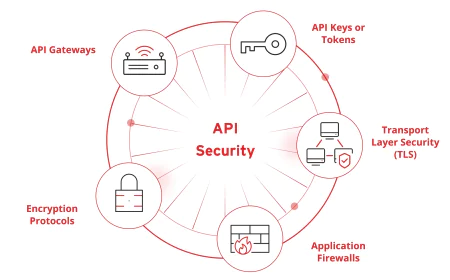
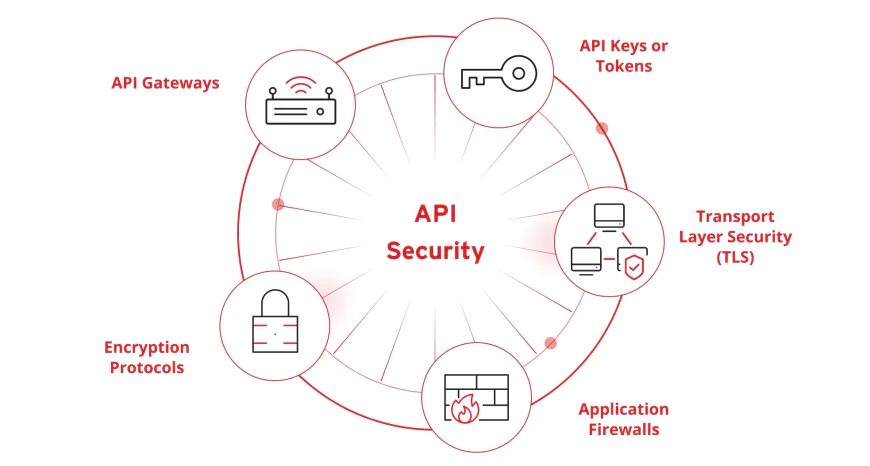
API Security is the practice of protecting APIs from unauthorized access, abuse, data breaches, and cyberattacks by implementing strong authentication, authorization, encryption, input validation, continuous monitoring, and secure development practices.
Rather than securing only the application interface, API Security focuses on protecting the communication layer that powers modern digital services.
In this guide, you'll learn what API Security is, why it is important, how it works, common API vulnerabilities, authentication methods, security best practices, and how organizations secure APIs throughout their lifecycle.
Table of Contents
- What is API Security?
- Why API Security is Important
- How API Security Works
- API Architecture
- API Authentication & Authorization
- OWASP API Security Top 10
- Common API Vulnerabilities
- API Security Best Practices
- Benefits
- Frequently Asked Questions
What is API Security?
API Security is the practice of protecting Application Programming Interfaces (APIs) from cyber threats, unauthorized access, misuse, and data exposure throughout their lifecycle.
It involves implementing security controls that ensure APIs can securely exchange information between applications while maintaining confidentiality, integrity, and availability.
Modern API Security includes:
- Authentication
- Authorization
- Encryption
- Input validation
- Rate limiting
- API gateways
- Threat detection
- Continuous monitoring
- Secure coding
- Logging and auditing
Whether organizations use REST APIs, GraphQL APIs, SOAP APIs, or gRPC services, securing these interfaces is essential because APIs often provide direct access to sensitive business data and critical application functionality.
Why is API Security Important?
Modern organizations expose hundreds-or even thousands-of APIs that support websites, mobile applications, cloud services, IoT devices, and third-party integrations.
Without proper security controls, APIs can become entry points for attackers seeking to steal sensitive information, bypass authentication, or disrupt business operations.
API Security helps organizations:
- Protect sensitive customer data
- Prevent unauthorized API access
- Secure cloud-native applications
- Reduce cyber risks
- Improve regulatory compliance
- Prevent API abuse
- Protect business continuity
- Strengthen customer trust
Because APIs often expose critical business functionality, securing them is just as important as securing the applications they support.
How API Security Works
API Security combines multiple layers of protection to ensure that only authorized users and applications can access API resources.
A modern API Security strategy typically includes:
Authentication
Authentication verifies the identity of users, applications, or services requesting access to an API.
Common authentication methods include:
- API Keys
- OAuth 2.0
- OpenID Connect (OIDC)
- JSON Web Tokens (JWT)
- Mutual TLS (mTLS)
Strong authentication prevents unauthorized users from accessing sensitive API endpoints.
Authorization
After authentication, authorization determines what actions an authenticated user or application is allowed to perform.
Role-Based Access Control (RBAC), Attribute-Based Access Control (ABAC), and least privilege principles help ensure users only access the resources they need.
Encryption
Sensitive API traffic should always be encrypted using secure protocols such as HTTPS and TLS.
Encryption protects data while it is transmitted between clients, servers, and third-party services.
Input Validation
APIs must validate all incoming requests to prevent malicious input that could lead to SQL Injection, command injection, or other application vulnerabilities.
Proper validation helps ensure only expected and safe data is processed.
Continuous Monitoring
Organizations continuously monitor API activity to identify:
- Unusual traffic patterns
- Unauthorized access attempts
- Credential abuse
- Excessive requests
- Data exfiltration
- Suspicious behavior
Continuous monitoring improves visibility and enables faster incident response.
API Architecture
Modern organizations use different types of APIs depending on application requirements.
REST APIs
REST (Representational State Transfer) is the most widely used API architecture.
REST APIs exchange data using standard HTTP methods such as GET, POST, PUT, and DELETE, typically returning JSON responses.
REST APIs are widely used in web applications, SaaS platforms, and mobile applications.
GraphQL APIs
GraphQL allows clients to request only the specific data they need, improving performance and reducing unnecessary data transfer.
However, GraphQL introduces unique security considerations such as query complexity attacks and excessive data exposure.
SOAP APIs
SOAP (Simple Object Access Protocol) is commonly used in enterprise systems requiring standardized messaging, security, and reliability.
SOAP APIs often support advanced security features through WS-Security standards.
gRPC APIs
gRPC is a high-performance framework used for communication between microservices.
It supports efficient binary communication using Protocol Buffers and is increasingly adopted in cloud-native architectures.
API Authentication Methods
Authentication is the first layer of API security. Before an API processes a request, it must verify the identity of the user, application, or service making the request.
Modern APIs use several authentication mechanisms depending on business requirements and security needs.
API Keys
API Keys are one of the simplest authentication methods.
A unique key is issued to an application or developer and included with every API request.
While API Keys are easy to implement, they should never be used as the sole security mechanism because they can be exposed or stolen if not properly protected.
Organizations should:
- Rotate API Keys regularly
- Restrict API Key permissions
- Store API Keys securely
- Avoid exposing keys in client-side applications
OAuth 2.0
OAuth 2.0 is one of the most widely used authorization frameworks for securing APIs.
Rather than sharing user credentials directly, OAuth allows applications to access resources using temporary access tokens.
OAuth is commonly used by:
- Google APIs
- Microsoft APIs
- GitHub
OAuth reduces credential exposure while enabling secure delegated access.
JSON Web Tokens (JWT)
A JSON Web Token (JWT) is a digitally signed token containing user identity and authorization information.
After successful authentication, the server issues a JWT that clients include with subsequent API requests.
JWT authentication offers several advantages:
- Stateless authentication
- Improved scalability
- Faster request processing
- Secure token validation
JWTs should always be transmitted over HTTPS and configured with expiration times to reduce security risks.
Mutual TLS (mTLS)
Mutual TLS authenticates both the client and the server using digital certificates.
Unlike standard TLS, where only the server presents a certificate, mTLS requires both parties to verify their identities.
mTLS is commonly used for:
- Financial services
- Healthcare systems
- Government applications
- Enterprise API integrations
It provides strong identity verification for highly sensitive environments.
API Authorization
Authentication verifies identity, while authorization determines what authenticated users or applications are allowed to do.
A secure authorization strategy prevents users from accessing resources beyond their assigned permissions.
Common authorization models include:
Role-Based Access Control (RBAC)
Permissions are assigned according to predefined roles such as Administrator, Manager, or User.
Attribute-Based Access Control (ABAC)
Access decisions are based on attributes such as:
- Department
- Location
- Device type
- Time of access
- Risk level
Least Privilege
Every application, service, and user should receive only the minimum permissions required to perform their tasks.
Applying least privilege significantly reduces the impact of compromised credentials.
API Gateway Security
API Gateways serve as centralized entry points for API traffic.
Instead of exposing backend services directly, organizations route requests through an API Gateway where security policies are enforced.
An API Gateway typically provides:
- Authentication
- Authorization
- Rate limiting
- Request validation
- Traffic filtering
- Logging
- API version management
- Load balancing
Centralized API management simplifies security administration across large environments.
Rate Limiting and Throttling
Attackers often abuse APIs by sending excessive numbers of requests.
Rate limiting controls how many requests a client can make during a specific time period.
Benefits include:
- Preventing brute-force attacks
- Reducing API abuse
- Protecting server resources
- Improving service availability
Throttling helps maintain stable performance even during periods of high traffic.
OWASP API Security Top 10
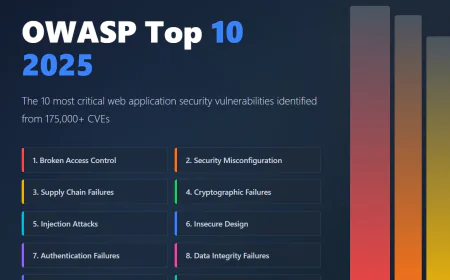
The OWASP API Security Top 10 identifies the most critical API security risks organizations should address.
Some of the most significant risks include:
Broken Object Level Authorization (BOLA)
Improper authorization checks allow attackers to access data belonging to other users.
Broken Authentication
Weak authentication mechanisms increase the risk of credential theft and account compromise.
Broken Object Property Level Authorization
Applications expose sensitive object properties that should remain hidden from users.
Unrestricted Resource Consumption
Poor rate limiting allows attackers to overwhelm APIs through excessive requests.
Broken Function Level Authorization
Users gain access to privileged administrative functions without proper authorization.
Unrestricted Access to Sensitive Business Flows
Attackers abuse legitimate business processes to commit fraud or disrupt operations.
Server-Side Request Forgery (SSRF)
Attackers force servers to send unauthorized requests to internal or external systems.
Security Misconfiguration
Incorrect API configurations expose unnecessary functionality or weaken security controls.
Improper Inventory Management
Organizations fail to manage deprecated or undocumented APIs, increasing the attack surface.
Unsafe Consumption of APIs
Applications trust third-party APIs without proper validation or security assessment.
Common API Security Threats
APIs face numerous security threats throughout their lifecycle.
Credential Stuffing
Attackers use previously stolen username-password combinations to compromise API accounts.
Token Theft
Compromised authentication tokens may allow attackers to impersonate legitimate users.
Injection Attacks
Improper input validation may allow attackers to execute malicious commands or manipulate backend databases.
API Abuse
Attackers may exploit APIs to scrape data, automate fraudulent activities, or consume excessive system resources.
Data Exposure
Poor API design may unintentionally expose confidential customer information.
Denial-of-Service (DoS)
Attackers flood APIs with requests to make services unavailable to legitimate users.
API Security Testing
Organizations should regularly assess API security using multiple testing techniques.
Common API security testing methods include:
- Authentication testing
- Authorization testing
- Input validation testing
- Rate limit validation
- Business logic testing
- Fuzz testing
- Penetration Testing
- API vulnerability scanning
Regular assessments help identify security weaknesses before they can be exploited.
Common API Security Tools
Organizations use specialized tools to secure APIs throughout development and production.
| Tool | Primary Purpose |
|---|---|
| Postman | API development and testing |
| Burp Suite | API security testing |
| OWASP ZAP | Dynamic API security testing |
| Insomnia | API testing |
| Swagger | API documentation |
| Kong Gateway | API Gateway |
| Apigee | API management |
| AWS API Gateway | Secure API management |
| Trivy | Container security |
| GitHub Advanced Security | Secure development |
These tools support secure API development, testing, monitoring, and management.
Real-World API Security Use Cases
API Security plays a vital role across industries where APIs exchange sensitive information.
Banking APIs
Protect financial transactions, payment systems, and customer account information through strong authentication and encryption.
Healthcare APIs
Secure the exchange of electronic health records (EHRs) while maintaining compliance with healthcare regulations.
E-commerce APIs
Protect payment gateways, inventory systems, and customer accounts from fraud and unauthorized access.
SaaS Platforms
Secure communication between cloud applications, microservices, and third-party integrations.
Mobile Applications
Protect APIs that handle authentication, user profiles, payments, and sensitive customer data.
Government Digital Services
Secure APIs supporting citizen services, digital identity, and inter-agency communication.
Benefits of API Security
As APIs become the backbone of modern applications, securing them is essential for protecting sensitive information, maintaining business continuity, and preventing cyberattacks. A well-designed API Security strategy provides both technical and business benefits.
1. Protects Sensitive Data
APIs frequently exchange confidential information such as customer records, payment details, healthcare data, and business information.
Strong authentication, encryption, and authorization controls help prevent unauthorized access and reduce the risk of data breaches.
2. Prevents Unauthorized Access
API Security ensures that only authenticated and authorized users, applications, and services can access protected resources.
Techniques such as OAuth 2.0, JWT, Mutual TLS (mTLS), and Role-Based Access Control (RBAC) significantly strengthen access control.
3. Reduces Cyber Risks
Continuous monitoring, rate limiting, input validation, and API gateways help organizations defend against common API attacks such as:
- Injection attacks
- Credential theft
- API abuse
- Token compromise
- Distributed Denial-of-Service (DDoS) attacks
A proactive API Security strategy minimizes the overall cyber risk.
4. Supports Regulatory Compliance
Organizations that process personal or financial data must comply with various regulatory requirements.
API Security supports compliance with:
- GDPR
- DPDPA
- PCI DSS
- HIPAA
- ISO 27001
- SOC 2
Strong API governance also simplifies compliance audits.
5. Enables Secure Digital Transformation
Modern digital services rely on APIs for cloud computing, mobile applications, Internet of Things (IoT), and third-party integrations.
API Security enables organizations to innovate confidently while maintaining a strong security posture.
6. Improves Customer Trust
Customers expect organizations to protect their personal information.
Secure APIs reduce the likelihood of security incidents and strengthen confidence in digital services.
7. Protects Business Continuity
Cyberattacks targeting APIs can disrupt business operations, impact customer services, and cause financial losses.
Implementing comprehensive API Security reduces downtime and improves organizational resilience.
Common API Security Challenges
Despite growing awareness, organizations continue to face several API Security challenges.
API Sprawl
Large organizations often manage hundreds or thousands of APIs.
Maintaining visibility across all APIs can become increasingly difficult without centralized governance.
Shadow APIs
Undocumented or forgotten APIs may remain active without proper monitoring or security controls.
These hidden APIs often become attractive targets for attackers.
Inconsistent Authentication
Using different authentication mechanisms across APIs creates security gaps and increases administrative complexity.
Organizations should standardize authentication wherever possible.
Excessive Permissions
Poor authorization design may grant users or applications more privileges than necessary.
Applying the principle of least privilege helps reduce this risk.
Rapid Development Cycles
Frequent software releases may introduce insecure APIs if security testing is not integrated into the development lifecycle.
Automated security testing helps identify issues before deployment.
API Security Best Practices
Organizations should implement multiple layers of protection to secure APIs effectively.
Use Strong Authentication
Implement modern authentication mechanisms such as:
- OAuth 2.0
- OpenID Connect (OIDC)
- JWT
- Mutual TLS (mTLS)
Avoid relying solely on API Keys for sensitive applications.
Enforce Least Privilege
Users, applications, and services should receive only the permissions required to perform their intended functions.
Regular permission reviews help prevent privilege escalation.
Encrypt All API Traffic
All API communications should use HTTPS with modern TLS encryption.
Sensitive information should never be transmitted over unencrypted connections.
Validate Every Request
APIs should validate:
- Request headers
- Parameters
- Payloads
- File uploads
- Input formats
Proper validation prevents many common injection attacks.
Implement Rate Limiting
Restricting request volumes helps protect APIs from brute-force attacks, scraping, credential stuffing, and denial-of-service attempts.
Continuously Monitor API Activity
Organizations should monitor:
- Failed authentication attempts
- Unusual traffic patterns
- Token misuse
- Geographic anomalies
- Suspicious API calls
Continuous monitoring enables rapid threat detection and response.
Perform Regular API Security Testing
API security should be assessed through:
- Vulnerability Assessments
- Penetration Testing
- Fuzz Testing
- Authentication Testing
- Authorization Testing
- Business Logic Testing
Regular testing helps identify vulnerabilities before attackers exploit them.
How IntelligenceX Helps Organizations Strengthen API Security
Modern applications depend on secure APIs to connect users, services, and cloud environments. IntelligenceX helps organizations secure their APIs by identifying vulnerabilities, validating authentication mechanisms, and strengthening application security throughout the development lifecycle.
IntelligenceX supports API Security through services such as:
- API Security Assessments
- Application Security Testing
- Penetration Testing
- Vulnerability Assessments
- Cloud & DevSecOps Security
- Managed Detection & Response (MDR)
- Compliance Consulting
By combining automated security testing with expert-led assessments, IntelligenceX helps organizations build secure APIs that support business growth while reducing cyber risk.
Conclusion
APIs are now a critical component of modern software architecture, enabling communication between applications, cloud services, mobile devices, and enterprise systems.
However, the growing reliance on APIs also increases the attack surface available to cybercriminals.
Implementing strong authentication, secure authorization, encryption, continuous monitoring, and regular security testing enables organizations to protect their APIs, maintain compliance, and build secure digital services.
API Security should be treated as an ongoing process that evolves alongside changing technologies and emerging cyber threats.
Frequently Asked Questions (FAQs)
1. What is API Security?
API Security is the practice of protecting Application Programming Interfaces (APIs) from unauthorized access, cyberattacks, data breaches, and misuse through authentication, authorization, encryption, and continuous monitoring.
2. Why is API Security important?
It helps protect sensitive data, prevent unauthorized access, reduce cyber risks, support regulatory compliance, and secure communication between applications.
3. What is the difference between authentication and authorization?
Authentication verifies the identity of a user or application, while authorization determines what actions that authenticated entity is permitted to perform.
4. Is OAuth 2.0 more secure than API Keys?
Yes. OAuth 2.0 provides delegated access using temporary tokens, making it more secure and scalable than relying solely on API Keys.
5. What is JWT?
JSON Web Token (JWT) is a secure token format used to authenticate users and applications without maintaining server-side sessions.
6. What is the OWASP API Security Top 10?
It is a list published by OWASP identifying the most critical API security risks, including Broken Object Level Authorization (BOLA), Broken Authentication, and Security Misconfiguration.
7. Can APIs be protected against DDoS attacks?
Yes. Techniques such as rate limiting, API gateways, traffic filtering, and Web Application Firewalls (WAFs) help reduce the impact of DDoS attacks.
8. How often should APIs undergo security testing?
Organizations should perform API security testing continuously throughout development and before major releases, with periodic penetration testing for critical APIs.
9. Which industries require strong API Security?
Financial services, healthcare, retail, government, technology, manufacturing, and any organization exposing APIs to customers or partners require strong API Security.
10. What are the most important API Security controls?
Strong authentication, authorization, encryption, rate limiting, input validation, continuous monitoring, logging, and regular security testing are among the most important controls.