

















Cloud Reconnaissance: How to Gather Intelligence from Cloud Services
Cloud services often expose valuable intelligence through misconfigurations, metadata, and publicly accessible endpoints. This article explains how attackers and OSINT researchers perform cloud reconnaissance to identify assets, services, and potential security risks across major cloud platforms.

Cloud computing platforms such as AWS, Azure, Google Cloud, and others host a vast range of critical infrastructure, data, and services for organizations of all sizes. Because these environments are so widely used, they are also a prime target for attackers, bug bounty hunters, and security researchers who rely on cloud reconnaissance and OSINT techniques to map resources, identify exposed services, and uncover misconfigurations before they become exploitable.
Why Cloud Reconnaissance Matters
Cloud services house APIs, databases, virtual servers, and internal tools that can all surface information about an organization’s digital footprint. Attackers and security researchers use OSINT and automated tools to detect:
-
Unprotected cloud storage buckets
-
Metadata that reveals infrastructure patterns
-
DNS records associated with cloud providers
-
Public IP ranges tied to cloud services
By mapping these assets early, defenders can focus on closing gaps before threat actors exploit them.
Common Cloud Providers to Investigate
Security researchers typically begin by identifying which platforms a target uses. The major cloud services include:
-
Amazon Web Services (AWS)
-
Microsoft Azure
-
Google Cloud Platform (GCP)
-
Cloudflare
-
DigitalOcean, Linode, Vultr, and similar IaaS providers
Each provider has unique identifiers, API endpoints, and potential indicators that make recon possible.
Step-By-Step Guide to Cloud Reconnaissance
1. Determine the Cloud Provider
Before gathering detailed information, you must identify the cloud platform(s) associated with your target.
DNS-Based Techniques
-
Use DNS tools like
digornslookupto check records for cloud associations: - dig example.com ANY +short
- nslookup example.com
Looking at DNS records can reveal hosted services and cloud provider patterns.
Cloud Provider IP Ranges
Public cloud services publish their IP address ranges. By comparing target IPs to these lists, you can determine which provider they use:
-
AWS IP ranges: https://ip-ranges.amazonaws.com/ip-ranges.json
-
Google Cloud IP ranges: https://www.gstatic.com/ipranges/cloud.json
-
Azure IP ranges: official Microsoft downloadable lists
Asset Discovery Platforms
Online services like SecurityTrails, Shodan, and Censys provide insights into cloud infrastructure and associated services
2. Discover Exposed Resources
Once the cloud provider is known, search for exposed services and infrastructure components tied to the domain or IP ranges:
-
Public storage (e.g., AWS S3 buckets, GCP cloud storage)
-
API endpoints returning metadata
-
Serverless functions with publicly accessible URLs
Using these data points helps build an asset map and surface potential misconfigurations.
Passive vs Active Reconnaissance
Reconnaissance can be categorized into:
-
Passive Reconnaissance – Gathering information without directly interacting with the target’s systems, such as examining public DNS records, WHOIS data, and search engine results.
-
Active Reconnaissance – Directly probing services and interfaces, such as scanning for open ports or using APIs to enumerate resources.
Both approaches are useful, but passive recon is safer and less likely to trigger alerts or violate terms of engagement.
Tools and Platforms for Cloud Reconnaissance
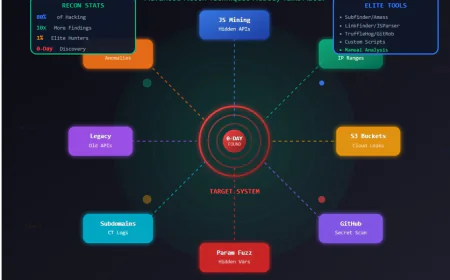
Effective cloud reconnaissance often combines OSINT tools with manual analysis:
-
Shodan & Censys – Query internet-connected devices and services for cloud provider patterns.
-
SecurityTrails – DNS and domain intelligence.
-
Public IP range lists – Map IPs to known cloud provider infrastructure.
-
Cloud provider console metadata – Enumerate publicly exposed services through official APIs.
Using multiple tools increases the likelihood of discovering meaningful cloud-accessible resources.
Best Practices for Reconnaissance
Responsible and effective cloud recon involves:
-
Respecting scope and legal boundaries.
-
Avoiding intrusive testing without authorization.
-
Documenting findings clearly for remediation or reporting.
-
Using automated tools carefully to avoid overwhelming services.
Automation can enhance productivity and consistency, but it should always operate within a safe and authorized context.
Conclusion
Cloud reconnaissance is an essential skill for security professionals, bug bounty hunters, and defenders. By combining OSINT techniques with DNS analysis, public IP matching, and tool-based automation, researchers can uncover cloud assets, misconfigurations, and exposure that might otherwise go unnoticed. Early intelligence gathering increases the chances of identifying and mitigating security risks before they are exploited by attackers.