













The Federal Information Security Modernization Act (FISMA)
The Federal Information Security Modernization was set-up by U.S. Congress in 2002 and it is managed by NIST (National Institute of Standards Technology) and FISMA both. The FISMA security framework was designed to protect federal sensitive information from any unauthorized access.

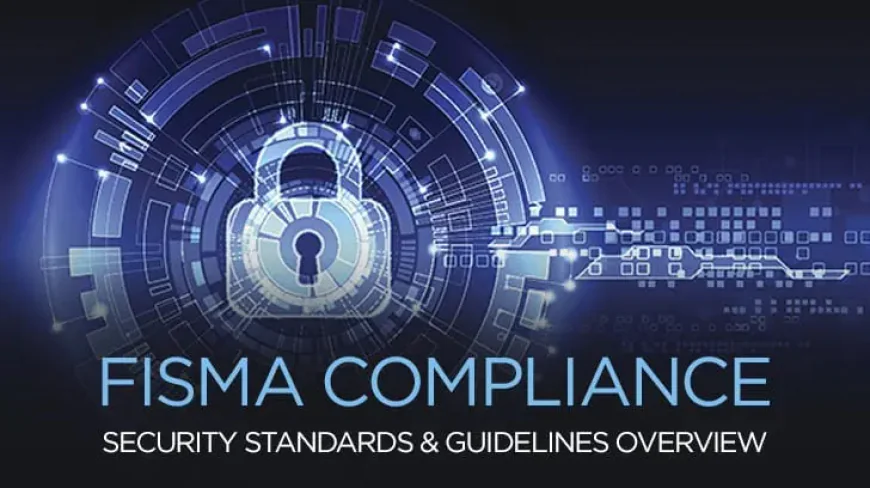
Initially, FISMA was meant to apply only to federal agencies but later on, it expanded and became mandatory for non-federal agencies as well that work on government contracts and plans. It was founded to ensure that all federal entities are adhering appropriate information safety measures to secure general public from any information security threats.
The Federal Information Security Modernization Act focuses on federal agencies whether they are maintaining adequate security controls to protect government data, federal operations, and their assets from cyber threats.
Purpose of FISMA
Government Data Security: The Federal Information Modernization Act was specifically designed to protect federal sensitive information from any cyber threat. It aims to ensure all federal agencies run their security controls and government plans adhering mandatory guidelines only without any breaches.
NIST Based Protection: Agencies must plan their safety measures based on NIST guidelines. FISMA assures companies adhere to NIST instructions clearly without any violations so they can perform better to protect government sensitive information.
Continuous Monitoring: Agencies are required to monitor their systems constantly to prevent any unauthorized access and avoid insecure approaches to the data protection.
Risk Management: FISMA dedicatedly works on risk management to prevent security breaches. It evaluates the risk levels from low to moderate and high-end risks to identify vulnerabilities and fix them before any consequences.
Clear Responsibilities: The security act clearly defines responsibilities among agency leaders and responsible persons and ensures that they are well trained for such security controls. These leaders need to be equipped with all updates and security guidelines to enhance federal information protection system. This divided responsibility provides an accountability for such effective programs.
Whom does FISMA apply to?
Federal Agencies: All federal agencies must comply with FISMA as they manage sensitive information associated with U.S. government and any third party organizations that handle federal information aslo should be FISMA comliant.
Government Contractors: All those contractors who are contacted by the government authorities to work directly with law agencies on government contracts must adhere to FISMA guidelines.
Subcontractors: Additionally, subcontractors who work indirectly on government projects based on small profit shares must adhere to strict and mandated instructions of FISMA to maintain their trust and future business with prime contractors in government sector.
Cloud Service Providers: Cloud services used by federal agencies also need to comply with the Federal Information Security Modernization Act as they perform a crucial role in protecting government sensitive information in digital environment. They must adhere FISMA and NIST guidelines to enhance their security solutions for government datasets.

Compliance Requirements:
Maintain System Inventory: Agencies must maintain their updated system logs and keep records of every internal or third party access to the system.
Risk Assessment: Entities should analyze their data safety probabilities and ensure an accurate assessment of potential risks to avoid any future incidents due to lack of thorough scanning.
Threat Categorization: Operating systems’ information must be categorized into three different levels as Low, Medium, and High impact. These different levels of risk help to understand the impact of any breach so that we can act accordingly to handle security threat detection.
System Protection Plan: To maintain and update a document that contains all systems’ security plans up-to-date as an evidence of information safety to comply with legal authorities.
Continuous Monitoring: All operational systems should be under surveillance and must be monitored constantly to avoid any illegal access. Continuous system watch helps agencies to improve their security controls.
Information Security Designs: The law department must check and apply the best security plan for their department to protect sensitive information. They can choose and obtain different protection solutions from provided catalog and compare whether their existing security control is sufficient to protect datasets or they need to add some more.
Operating System Approval: Business entities should take a legal approval from senior federal authorities to determine whether their operational systems are safe to access and meet minimum safety measures. A high-ranking officer takes full charge and accountability for such approval of system’s security.
Non-Compliance Repercussions:
Loss of Federal Funding and Contracts: Agencies can face loss of government contracts and the valuable funding provided by the law department if they fail to comply with FISMA guidelines. The department can hold back their projects and stop funding them, which can cause a significant impact on business.
Reputational Damage: Non-compliance with regulatory authorities can seriously damage a business’s reputation in the market. It gives a negative impact to the general public and creates a bad impression among competitors.
Legal Actions: Non-compliance with the law can straight away lead to legal action against agencies. They must face legal notices along with some other consequences. They need to adhere to complete guidelines and appropriate safety measures to avoid such mishaps.
Financial Penalties: Entities can bear heavy financial losses due to non-compliance with FISMA. They can be fined hefty amounts resulting in apparent financial losses for the company. This consequence can be avoided by following provided information security rules efficiently.
Disqualification: Non-adherence to the law disqualifies agencies from their ongoing government projects. The legal authorities can halt their current business plans and hold back their all-upcoming federal schemes labeling them disqualified business partners.
Public Criticism: Negligence of FISMA and its related legal authorities can defame reputable business brands leading to public criticism. Publicly criticized businesses face many difficulties in surviving and cannot regain trust in the market.
Frequent Surprise Audits: Those who are listed as non-compliant agencies are always on the hit list of the legal authorities. They more often audit these companies with a surprise security checks. These frequent surprise audits can trouble companies much more severely.