













What is Vulnerability Assessment? A Complete Guide to Identifying Security Weaknesses
Learn what Vulnerability Assessment is, how it works, why it is important, different types of vulnerability assessments, industry best practices, and how organizations use vulnerability assessments to strengthen cybersecurity and reduce cyber risk.

Introduction
As organizations continue to adopt cloud computing, mobile applications, remote work, and digital transformation, the number of potential cyber threats continues to grow. Every server, application, API, endpoint, cloud workload, and network device can introduce security weaknesses that attackers may attempt to exploit.
Modern cybersecurity is no longer limited to deploying antivirus software or firewalls. Organizations must continuously identify, evaluate, and remediate security weaknesses before they become entry points for cybercriminals. This proactive approach is one of the fundamental objectives of effective cybersecurity services.
One of the most important activities in a proactive cybersecurity program is Vulnerability Assessment.
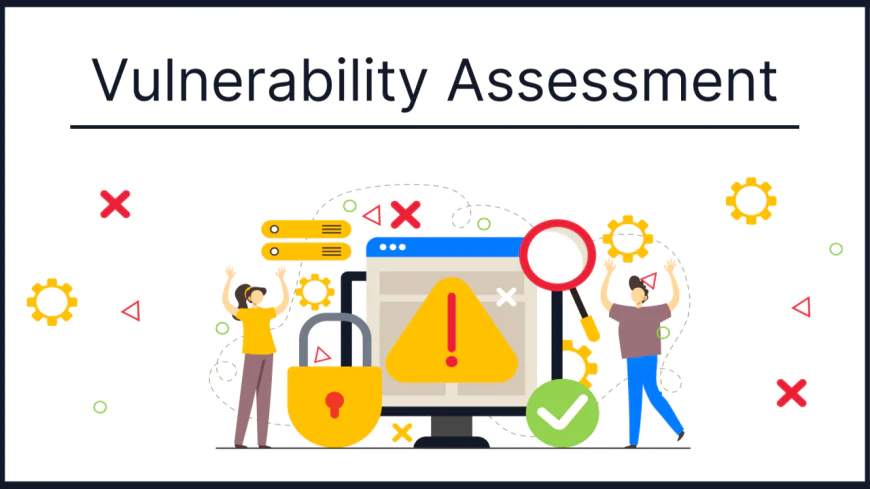
A Vulnerability Assessment helps organizations discover security weaknesses across networks, applications, cloud environments, APIs, operating systems, databases, and other digital assets. Instead of waiting for an attacker to identify these weaknesses, organizations perform regular assessments to understand their security posture, prioritize remediation efforts, and reduce overall cyber risk.
Whether an organization is protecting sensitive customer information, supporting regulatory compliance, or strengthening its overall cybersecurity strategy, Vulnerability Assessments play a critical role in maintaining a secure digital environment.
Organizations that invest in regular Vulnerability Assessments often improve their ability to prevent cyberattacks, strengthen compliance, reduce operational risks, and enhance business resilience.
Throughout this guide, you'll learn what Vulnerability Assessment is, why it matters, how it works, different assessment types, industry best practices, common tools, and how it fits into a broader cybersecurity strategy supported by professional cybersecurity services.
Table of Contents
- What is Vulnerability Assessment?
- Why Vulnerability Assessment is Important
- How Vulnerability Assessment Works
- Vulnerability Assessment Lifecycle
- Types of Vulnerability Assessments
- Vulnerability Scoring
- Common Vulnerabilities
- Benefits
- Challenges
- Best Practices
- Relationship with Other Cybersecurity Domains
- How IntelligenceX Delivers Cybersecurity Services
- Conclusion
- FAQs
What is Vulnerability Assessment?
A Vulnerability Assessment is a systematic process of identifying, analyzing, and prioritizing security weaknesses across an organization's IT infrastructure, applications, cloud environments, endpoints, databases, APIs, and network devices.
The objective is to discover vulnerabilities before attackers can exploit them.
Unlike reactive security approaches that respond after an attack has occurred, Vulnerability Assessments are proactive. They provide organizations with visibility into their security posture and enable security teams to remediate weaknesses before they become security incidents.
A Vulnerability Assessment evaluates assets such as:
Network Infrastructure
Routers, switches, firewalls, VPN appliances, wireless networks, and other networking devices are scanned for security weaknesses, outdated firmware, insecure configurations, and exposed services.
Servers
Windows servers, Linux servers, virtualization platforms, and database servers are assessed for missing security patches, insecure configurations, weak authentication, and unnecessary services.
Applications
Web applications, mobile applications, desktop applications, and cloud-native software are examined for security vulnerabilities that could expose sensitive information or allow unauthorized access.
APIs
Modern organizations rely heavily on APIs to exchange information between systems. Vulnerability Assessments identify authentication flaws, authorization weaknesses, insecure endpoints, and exposed API configurations.
Cloud Infrastructure
Cloud workloads hosted on AWS, Microsoft Azure, Google Cloud Platform, and hybrid environments require continuous assessment to identify misconfigurations, excessive permissions, exposed storage, and insecure cloud services.
Endpoints
Employee laptops, desktops, mobile devices, and remote workstations are evaluated to identify outdated software, insecure configurations, missing patches, and endpoint security risks.
Rather than simply generating a list of vulnerabilities, a comprehensive Vulnerability Assessment prioritizes findings based on business impact, exploitability, and overall risk.
Why is Vulnerability Assessment Important?
Cyber threats continue to evolve rapidly, and attackers actively search for vulnerable systems connected to the internet.
Organizations that fail to identify vulnerabilities often become victims of ransomware, data breaches, credential theft, business email compromise, and supply chain attacks.
Regular Vulnerability Assessments help organizations proactively strengthen their cybersecurity posture by identifying weaknesses before attackers do.
Key reasons why Vulnerability Assessments are important include:
Reducing Cyber Risk
Early identification of vulnerabilities significantly reduces the likelihood of successful cyberattacks.
Supporting Cybersecurity Services
Professional cybersecurity services use Vulnerability Assessments as a foundational activity for improving security posture, prioritizing remediation efforts, and strengthening organizational resilience.
Improving Compliance
Many security standards require organizations to perform regular vulnerability assessments, including:
Regular assessments help organizations maintain compliance and prepare for security audits.
Protecting Sensitive Information
Organizations process sensitive customer data, financial records, healthcare information, intellectual property, and confidential business documents.
Identifying vulnerabilities helps reduce the risk of unauthorized access and data breaches.
Supporting Business Continuity
Preventing cyber incidents helps organizations avoid downtime, financial losses, reputational damage, and operational disruptions.
How Vulnerability Assessment Works
A Vulnerability Assessment follows a structured process that enables organizations to continuously identify and remediate security weaknesses.
Although methodologies vary depending on the environment, most assessments follow several key stages.
Asset Discovery
Security teams first identify all systems within the assessment scope, including servers, workstations, cloud resources, applications, APIs, databases, and networking devices.
Maintaining an accurate asset inventory ensures that no critical systems are overlooked during the assessment.
Vulnerability Scanning
Automated scanning tools inspect identified assets for known vulnerabilities, insecure configurations, missing patches, weak encryption, exposed services, and outdated software.
These tools compare systems against continuously updated vulnerability databases such as the Common Vulnerabilities and Exposures (CVE) catalog.
Vulnerability Validation
Not every detected issue represents a real security risk.
Security professionals review automated findings to eliminate false positives, validate vulnerabilities, and determine their actual impact on the organization's environment.
Risk Prioritization
Validated vulnerabilities are ranked according to factors such as:
- Severity
- Exploitability
- Asset criticality
- Business impact
- Availability of public exploits
- Compliance implications
This prioritization helps organizations focus remediation efforts where they matter most.
Vulnerability Assessment Lifecycle
A successful Vulnerability Assessment is not a one-time activity. New vulnerabilities are discovered every day, software is continuously updated, cloud environments evolve rapidly, and organizations frequently deploy new applications and services. As a result, Vulnerability Assessments should be performed as part of a continuous cybersecurity program rather than an occasional security exercise.
A mature Vulnerability Assessment lifecycle typically includes the following stages.
Planning and Scope Definition
Every assessment begins by clearly defining the scope.
Security teams identify:
- Systems to be assessed
- Critical business assets
- Network ranges
- Cloud environments
- Web applications
- APIs
- Databases
- Compliance requirements
Defining the scope ensures the assessment focuses on assets that present the highest business risk while minimizing operational disruptions.
Asset Discovery
Before vulnerabilities can be identified, organizations must know what assets they own.
Asset discovery involves creating an inventory of:
- Servers
- Endpoints
- Firewalls
- Routers
- Switches
- Cloud workloads
- Containers
- Virtual machines
- SaaS applications
- APIs
- IoT devices
Unknown or unmanaged assets often become easy targets for attackers because they are rarely monitored or patched.
Vulnerability Identification
Automated scanning tools inspect systems for:
- Missing security patches
- Known CVEs
- Weak encryption
- Insecure configurations
- Default credentials
- Open ports
- Unnecessary services
- Unsupported software
This stage usually generates hundreds or even thousands of findings depending on the organization's infrastructure.
Validation and Analysis
Automated scanners occasionally generate false positives.
Security analysts manually validate important findings to determine:
- Whether the vulnerability actually exists
- Whether it can be exploited
- Whether compensating controls already reduce the risk
- The overall business impact
Validation improves assessment accuracy and prevents unnecessary remediation work.
Risk Prioritization
Not every vulnerability requires immediate remediation.
Organizations prioritize vulnerabilities based on:
- CVSS Score
- Exploit availability
- Internet exposure
- Business criticality
- Data sensitivity
- Compliance impact
This risk-based approach ensures security teams focus on vulnerabilities that present the greatest organizational risk.
Remediation
Security teams work with IT administrators and application owners to eliminate identified vulnerabilities.
Typical remediation activities include:
- Installing patches
- Updating software
- Removing vulnerable services
- Changing insecure configurations
- Implementing stronger authentication
- Improving access controls
- Updating firewall rules
The remediation phase is often where cybersecurity services deliver the greatest business value by helping organizations reduce real-world cyber risk.
Verification
After remediation is complete, systems should be rescanned.
Verification confirms that vulnerabilities have been successfully resolved and that new security weaknesses have not been introduced during remediation.
Continuous Monitoring
Cybersecurity is never finished.
Organizations should continuously monitor their infrastructure using Vulnerability Management programs combined with Managed Detection and Response (MDR), security monitoring, and regular security assessments.
Continuous monitoring enables organizations to quickly identify newly discovered vulnerabilities before attackers exploit them.
Types of Vulnerability Assessments
Different environments require different assessment approaches.
Organizations often perform multiple types of Vulnerability Assessments depending on their technology landscape.
Network Vulnerability Assessment
Network Vulnerability Assessments evaluate routers, switches, firewalls, wireless networks, VPN appliances, and network services.
The objective is to identify:
- Open ports
- Weak protocols
- Misconfigured firewalls
- Outdated firmware
- Network exposure
- Weak authentication
This assessment complements Network Security initiatives by improving visibility into network infrastructure.
Application Vulnerability Assessment
Applications remain one of the largest attack surfaces.
Application assessments identify vulnerabilities affecting:
- Web applications
- Mobile applications
- Desktop applications
- SaaS platforms
Typical findings include:
- SQL Injection
- Cross-Site Scripting (XSS)
- Authentication flaws
- Authorization weaknesses
- Security misconfigurations
Application assessments work closely with Application Security and DevSecOps practices to improve software security throughout the development lifecycle.
Cloud Vulnerability Assessment
Cloud environments introduce new security challenges.
Cloud Vulnerability Assessments examine:
- AWS
- Microsoft Azure
- Google Cloud Platform
- Kubernetes
- Containers
- Serverless services
Security analysts identify:
- Publicly exposed storage
- Excessive IAM permissions
- Misconfigured security groups
- Weak encryption
- Cloud configuration errors
These assessments strengthen an organization's overall Cloud Security strategy.
API Vulnerability Assessment
Modern applications depend heavily on APIs.
API assessments evaluate:
- Authentication
- Authorization
- Rate limiting
- Input validation
- API Gateway configuration
- Sensitive data exposure
API assessments are closely aligned with API Security and help protect modern digital services.
Database Vulnerability Assessment
Databases store some of the organization's most valuable information.
Database assessments identify:
- Weak authentication
- Missing patches
- Default accounts
- Insecure permissions
- Encryption weaknesses
- Backup security issues
Securing databases significantly reduces the risk of data breaches.
Endpoint Vulnerability Assessment
Endpoints remain one of the most common attack vectors.
Endpoint assessments examine:
- Windows devices
- Linux systems
- macOS
- Mobile devices
- Remote workstations
Security teams look for:
- Missing updates
- Weak configurations
- Outdated software
- Disabled endpoint protection
- Unauthorized applications
CVE and CVSS Explained
Understanding vulnerability severity is an essential part of every Vulnerability Assessment.
What is CVE?
Common Vulnerabilities and Exposures (CVE) is a globally recognized catalog of publicly disclosed cybersecurity vulnerabilities.
Every vulnerability receives a unique CVE identifier.
Example:
- CVE-2026-12345
Security vendors, researchers, and organizations use CVE identifiers to track and manage vulnerabilities consistently.
What is CVSS?
The Common Vulnerability Scoring System (CVSS) measures the severity of vulnerabilities.
Scores range from 0.0 to 10.0.
| Severity | CVSS Score |
|---|---|
| Low | 0.1 - 3.9 |
| Medium | 4.0 - 6.9 |
| High | 7.0 - 8.9 |
| Critical | 9.0 - 10.0 |
Although CVSS provides a standardized severity score, organizations should also consider business impact and exploitability when prioritizing remediation.
Common Vulnerabilities Found During Assessments
Organizations frequently encounter recurring security weaknesses during Vulnerability Assessments.
Some of the most common include:
Missing Security Patches
Unpatched operating systems and applications remain one of the leading causes of successful cyberattacks.
Regular patch management significantly reduces organizational risk.
Weak Password Policies
Simple or reused passwords increase the likelihood of credential compromise through brute-force attacks or credential stuffing.
Strong password policies combined with Multi-Factor Authentication (MFA) improve overall cybersecurity.
Misconfigured Firewalls
Incorrect firewall rules may unintentionally expose internal services to the internet.
Regular reviews help ensure only authorized traffic is permitted.
Default Credentials
Devices deployed with manufacturer default usernames and passwords are frequently exploited by attackers.
Changing default credentials should always be part of the deployment process.
Unsupported Software
Software that no longer receives vendor security updates introduces long-term security risks.
Organizations should replace unsupported systems or isolate them using appropriate security controls.
Excessive User Privileges
Granting users more permissions than necessary increases the potential impact of compromised accounts.
Applying the principle of least privilege helps reduce this risk.
Insecure Cloud Configurations
Common cloud security issues include:
- Public storage buckets
- Overly permissive IAM roles
- Disabled logging
- Weak encryption
- Unrestricted network access
Regular Cloud Security assessments help organizations identify and correct these issues before they can be exploited.
Common Vulnerability Assessment Tools
Security professionals use a combination of commercial and open-source tools to identify vulnerabilities across different environments.
| Tool | Primary Purpose |
|---|---|
| Nessus | Enterprise vulnerability scanning |
| Qualys VMDR | Cloud-based vulnerability management |
| Rapid7 InsightVM | Vulnerability assessment and risk prioritization |
| OpenVAS (Greenbone) | Open-source vulnerability scanning |
| Microsoft Defender Vulnerability Management | Endpoint vulnerability management |
| Burp Suite | Web application security testing |
| OWASP ZAP | Dynamic application security testing |
| Nmap + NSE | Network discovery and vulnerability detection |
| Trivy | Container and cloud vulnerability scanning |
| Snyk | Open-source dependency vulnerability scanning |
These tools provide valuable visibility, but organizations should combine automated scanning with expert analysis to accurately assess business risk.
Industry Use Cases
Vulnerability Assessments support organizations across nearly every industry.
Healthcare
Protect patient records, medical devices, and healthcare applications while supporting HIPAA and other compliance requirements.
Financial Services
Identify weaknesses affecting online banking, payment systems, and financial applications before attackers exploit them.
Government
Protect critical infrastructure, citizen services, and sensitive government information from increasingly sophisticated cyber threats.
Manufacturing
Assess operational technology (OT), industrial control systems (ICS), and connected manufacturing environments to reduce cyber risk.
Retail and E-commerce
Secure payment systems, customer accounts, and online shopping platforms against fraud and data breaches.
Technology and SaaS
Continuously assess cloud-native applications, APIs, and development environments to support secure software delivery and improve overall cybersecurity.
Benefits of Vulnerability Assessment
Implementing regular Vulnerability Assessments provides organizations with a proactive approach to improving cybersecurity. Rather than reacting after an incident occurs, organizations can continuously identify weaknesses, prioritize remediation efforts, and strengthen their overall security posture.
Identifies Security Weaknesses Before Attackers
One of the primary benefits of a Vulnerability Assessment is the ability to identify security weaknesses before cybercriminals discover them.
Attackers continuously scan internet-facing systems looking for outdated software, exposed services, weak configurations, and known vulnerabilities. By performing regular assessments, organizations can detect these weaknesses early and reduce the likelihood of exploitation.
Improves Overall Cybersecurity
Vulnerability Assessments provide visibility into an organization's security posture.
Instead of making assumptions about security, organizations gain measurable insights into their infrastructure, applications, cloud environments, APIs, and endpoints.
This information enables security teams to make informed decisions that improve overall cybersecurity.
Supports Cybersecurity Services
Professional cybersecurity services rely heavily on Vulnerability Assessments to help organizations understand their current security posture and prioritize remediation.
Assessment reports provide actionable recommendations that enable businesses to strengthen their defenses while reducing operational and financial risk.
Reduces the Risk of Data Breaches
Many successful cyberattacks begin with vulnerabilities that already have publicly available fixes.
Regular assessments help organizations identify missing patches, insecure configurations, weak authentication mechanisms, and exposed services before attackers can exploit them.
Supports Regulatory Compliance
Many compliance frameworks require organizations to perform periodic Vulnerability Assessments.
Examples include:
- ISO 27001
- PCI DSS
- HIPAA
- SOC 2
- GDPR
- DPDPA
Maintaining a regular assessment schedule helps organizations prepare for audits while demonstrating due diligence.
Improves Patch Management
Assessment reports identify systems that require updates, enabling IT teams to prioritize patch deployment based on business risk and vulnerability severity.
Enhances Business Continuity
Preventing security incidents minimizes downtime, protects business operations, and reduces financial losses associated with cyberattacks.
Common Challenges of Vulnerability Assessments
Although Vulnerability Assessments provide significant security benefits, organizations often encounter several operational challenges.
Large Number of Findings
Enterprise environments often generate thousands of vulnerability findings.
Without proper prioritization, security teams may struggle to determine which issues require immediate attention.
False Positives
Automated scanners occasionally report vulnerabilities that do not actually exist.
Manual validation by experienced cybersecurity professionals helps reduce unnecessary remediation efforts.
Rapidly Changing Infrastructure
Cloud computing, containers, remote work, and continuous software deployments cause IT environments to change rapidly.
Organizations should perform Vulnerability Assessments regularly rather than treating them as annual projects.
Asset Visibility
Security teams cannot protect assets they do not know exist.
Shadow IT, unmanaged devices, forgotten servers, and undocumented APIs often remain outside assessment scope unless asset inventories are continuously maintained.
Limited Security Resources
Many organizations have limited cybersecurity personnel.
Partnering with experienced cybersecurity services providers helps organizations perform assessments efficiently while maintaining high-quality security standards.
Vulnerability Assessment Best Practices
Organizations should follow established best practices to maximize the effectiveness of Vulnerability Assessments.
Maintain an Accurate Asset Inventory
An accurate inventory ensures every critical asset is included within the assessment scope.
Regular asset discovery reduces blind spots that attackers may exploit.
Perform Assessments Regularly
Threats evolve continuously.
Organizations should perform Vulnerability Assessments on a scheduled basis and after major infrastructure or application changes.
Prioritize Based on Risk
Not every vulnerability requires immediate remediation.
Security teams should prioritize vulnerabilities using:
- Business impact
- CVSS score
- Exploit availability
- Asset criticality
- Internet exposure
Validate Critical Findings
Manual verification helps eliminate false positives and confirms whether vulnerabilities are genuinely exploitable.
Integrate Vulnerability Management into DevSecOps
Organizations implementing DevSecOps should integrate automated vulnerability scanning directly into CI/CD pipelines.
This enables vulnerabilities to be identified earlier within the Software Development Life Cycle.
Combine Vulnerability Assessments with Penetration Testing
A Vulnerability Assessment identifies weaknesses.
Penetration Testing validates whether those weaknesses can actually be exploited by attackers.
Using both approaches together provides a much stronger understanding of organizational risk.
Relationship with Other Cybersecurity Domains
Vulnerability Assessment is a foundational component of modern cybersecurity. While it identifies weaknesses across digital assets, its true value comes from supporting multiple cybersecurity domains that work together to reduce organizational risk.
Cybersecurity
Vulnerability Assessment strengthens an organization's overall cybersecurity posture by continuously identifying weaknesses before attackers can exploit them.
Every mature cybersecurity program should include regular assessments as part of its ongoing risk management strategy.
Penetration Testing
Although these two services are closely related, they serve different purposes.
A Vulnerability Assessment identifies known weaknesses, while Penetration Testing determines whether attackers can successfully exploit those weaknesses.
Organizations often perform Vulnerability Assessments before conducting Penetration Testing engagements.
Network Security
Network Vulnerability Assessments identify weaknesses affecting routers, switches, firewalls, VPNs, wireless infrastructure, and internal networks.
These assessments strengthen Network Security by reducing infrastructure-related risks.
Cloud Security
Cloud Vulnerability Assessments identify security weaknesses affecting AWS, Microsoft Azure, Google Cloud Platform, containers, Kubernetes clusters, and cloud workloads.
These findings help organizations improve their Cloud Security posture.
Application Security
Applications frequently contain vulnerabilities such as SQL Injection, Cross-Site Scripting (XSS), broken authentication, and insecure configurations.
Application Vulnerability Assessments help identify these issues before software reaches production.
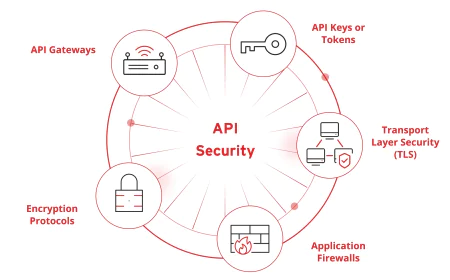
API Security
Modern APIs expose critical business functionality.
Regular Vulnerability Assessments help identify insecure authentication, weak authorization, exposed endpoints, and improper API configurations.
DevSecOps
Organizations adopting DevSecOps integrate automated vulnerability scanning throughout the Software Development Life Cycle.
This enables developers to resolve security weaknesses before deployment.
Managed Detection and Response (MDR)
While Vulnerability Assessments identify weaknesses, Managed Detection and Response (MDR) continuously monitors production environments for active threats attempting to exploit those vulnerabilities.
Together, these services provide both proactive and continuous cybersecurity protection.
What is Managed Detection and Response (MDR)?
How IntelligenceX Delivers Cybersecurity Services
Modern organizations require more than periodic security assessments. They need comprehensive cybersecurity services that proactively identify vulnerabilities, validate security controls, monitor emerging threats, and improve long-term resilience.
IntelligenceX delivers end-to-end cybersecurity services that help organizations secure networks, applications, cloud infrastructure, APIs, endpoints, and digital assets.
Depending on business requirements, organizations can benefit from:
- Vulnerability Assessments
- Penetration Testing
- Application Security Assessments
- API Security Testing
- Network Security Assessments
- Cloud & DevSecOps Security
- Managed Detection and Response (MDR)
- Incident Response & Digital Forensics
- Compliance Consulting
- Security Awareness Training
By combining expert security professionals with industry-leading methodologies, IntelligenceX helps organizations reduce cyber risk, improve compliance, and build resilient cybersecurity programs.
Explore More Cybersecurity Resources
Continue expanding your cybersecurity knowledge with these related guides:
- What is Cybersecurity?
- What is Penetration Testing?
- What is Cloud Security?
- What is Network Security?
- What is Application Security?
- What is API Security?
- What is DevSecOps?
- What is Managed Detection and Response (MDR)?
Conclusion
Vulnerability Assessment is one of the most important proactive cybersecurity activities an organization can perform. By continuously identifying, validating, and prioritizing security weaknesses, organizations can reduce cyber risk, improve compliance, strengthen business continuity, and build a more resilient security posture.
When integrated with complementary practices such as Penetration Testing, Application Security, Cloud Security, DevSecOps, Network Security, and Managed Detection and Response (MDR), Vulnerability Assessments become a critical component of a mature cybersecurity strategy.
Organizations that perform regular Vulnerability Assessments are better prepared to defend against evolving cyber threats while protecting sensitive information, maintaining customer trust, and supporting long-term business growth.
Frequently Asked Questions (FAQs)
1. What is a Vulnerability Assessment?
A Vulnerability Assessment is a structured process used to identify, analyze, and prioritize security weaknesses across networks, applications, cloud environments, APIs, endpoints, and other digital assets.
2. How is a Vulnerability Assessment different from Penetration Testing?
A Vulnerability Assessment identifies known weaknesses, while Penetration Testing attempts to exploit those weaknesses to determine their real-world impact.
3. How often should organizations perform Vulnerability Assessments?
Most organizations should perform assessments quarterly, after significant infrastructure changes, or whenever new critical systems are deployed.
4. What tools are commonly used for Vulnerability Assessments?
Popular tools include Nessus, Qualys VMDR, Rapid7 InsightVM, OpenVAS, Microsoft Defender Vulnerability Management, Burp Suite, OWASP ZAP, and Trivy.
5. Can Vulnerability Assessments help with compliance?
Yes. They support compliance with frameworks such as ISO 27001, PCI DSS, HIPAA, SOC 2, GDPR, and DPDPA.
6. Are Vulnerability Assessments automated?
Automated scanners identify potential vulnerabilities, but manual validation is essential to confirm findings and prioritize remediation.
7. What assets should be included in a Vulnerability Assessment?
Organizations should assess servers, endpoints, applications, APIs, cloud environments, databases, network devices, and other critical digital assets.
8. Why are Vulnerability Assessments important for cybersecurity?
They help identify security weaknesses before attackers exploit them, improving overall cybersecurity and reducing organizational risk.
9. Should Vulnerability Assessments be integrated with DevSecOps?
Yes. Integrating vulnerability scanning into DevSecOps enables earlier detection of security issues throughout the Software Development Life Cycle.
10. Why choose professional cybersecurity services for Vulnerability Assessments?
Experienced cybersecurity professionals provide deeper analysis, validate findings, prioritize remediation, and help organizations strengthen their overall security posture.