



















Top 5 Cloud Cost Optimization Strategies with DevOps Tools
As cloud spending continues to soar, organizations are realizing that simply adopting DevOps tools isn’t enough—cost optimization is critical. In 2025, the smartest teams combine cloud-native strategies with DevOps automation to monitor, manage, and reduce expenses without sacrificing performance. This blog explores the top 5 cloud cost optimization strategies, leveraging tools like Kubernetes autoscaling, GitOps pipelines, infrastructure as code, real-time monitoring, and automated cost alerts. By implementing these approaches, enterprises can control cloud spend, improve efficiency, and maintain agility, all while keeping their DevOps workflows seamless and automated.


Introduction
Cloud adoption is skyrocketing in 2025, but uncontrolled costs can quickly eat into your budget. Organizations are realizing that adopting cloud and DevOps tools without cost strategy leads to inefficiencies. To maintain agility and performance while keeping expenses in check, enterprises must implement cost optimization strategies integrated with DevOps practices.
This blog highlights five actionable strategies to optimize cloud costs using DevOps tools.
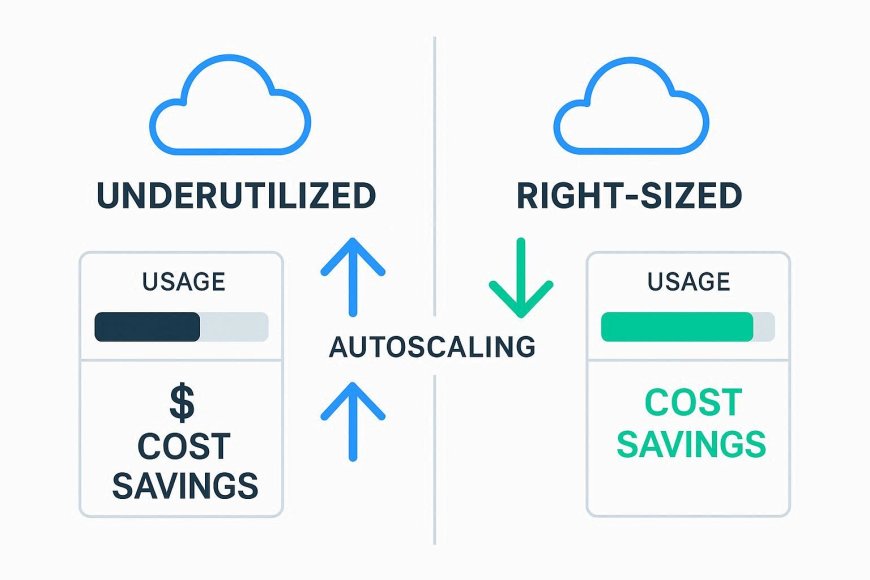
1. Right-Sizing Resources
One of the biggest cost leaks is over-provisioned instances. Many teams deploy larger VMs or containers than necessary.
Solution:
- Use monitoring tools like Prometheus + Grafana or cloud-native tools (AWS CloudWatch, Azure Monitor, GCP Operations) to analyze resource utilization.
- Implement auto-scaling in Kubernetes clusters to scale pods based on demand.
- Remove unused instances or idle storage.
2. Automated Infrastructure Management
Manual provisioning often leads to shadow resources and unexpected costs.
Solution:
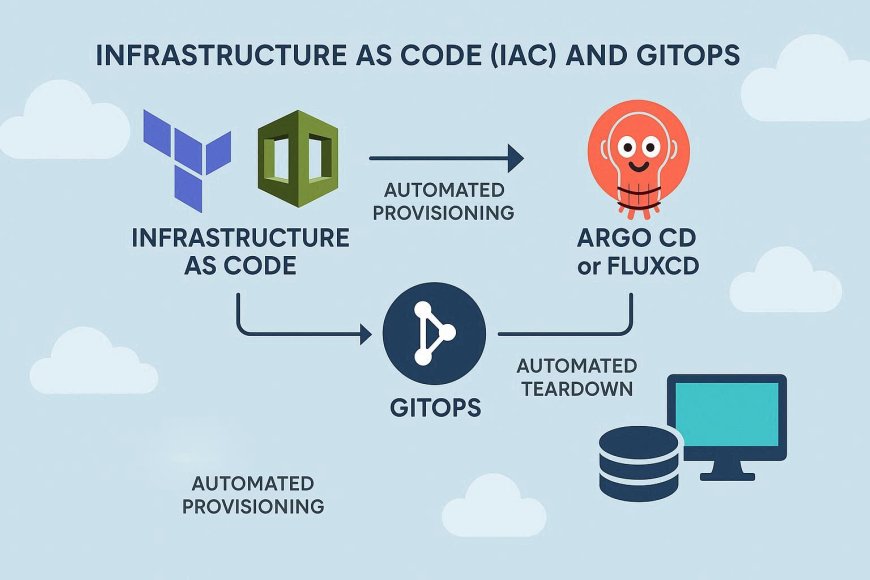
- Use Infrastructure as Code (IaC) tools like Terraform, Pulumi, or AWS CloudFormation.
- Automate deployment and teardown of dev/test environments.
- Implement GitOps pipelines (ArgoCD / FluxCD) to ensure consistent infrastructure deployments.
3. Spot & Preemptible Instances
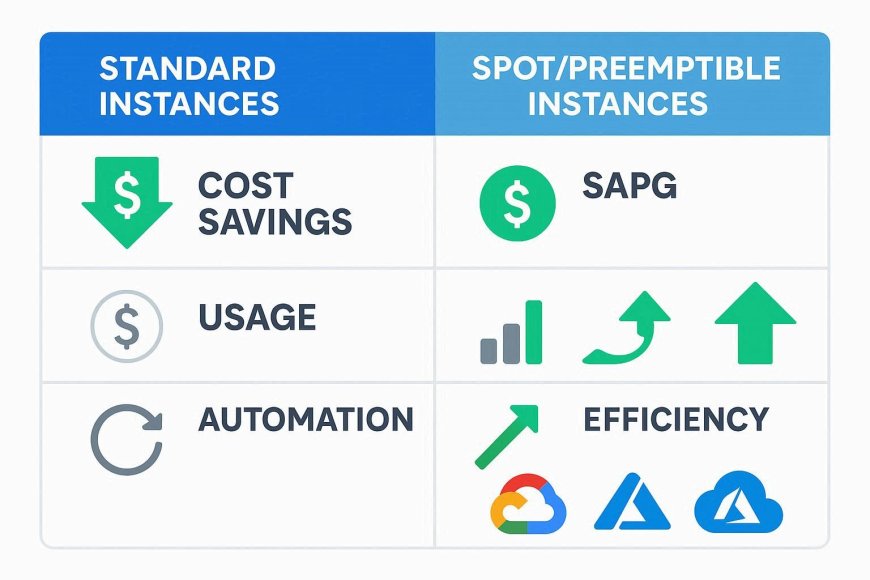
Cloud providers offer temporary compute instances at a fraction of the cost.
Solution:
- Use AWS Spot Instances, GCP Preemptible VMs, or Azure Low-Priority VMs for non-critical workloads.
- Integrate these instances in Kubernetes clusters with auto-replacement logic.
- Monitor workloads and move critical tasks to standard instances.
4. Monitoring & Cost Alerts
Without real-time monitoring, cost overruns go unnoticed.
Solution:
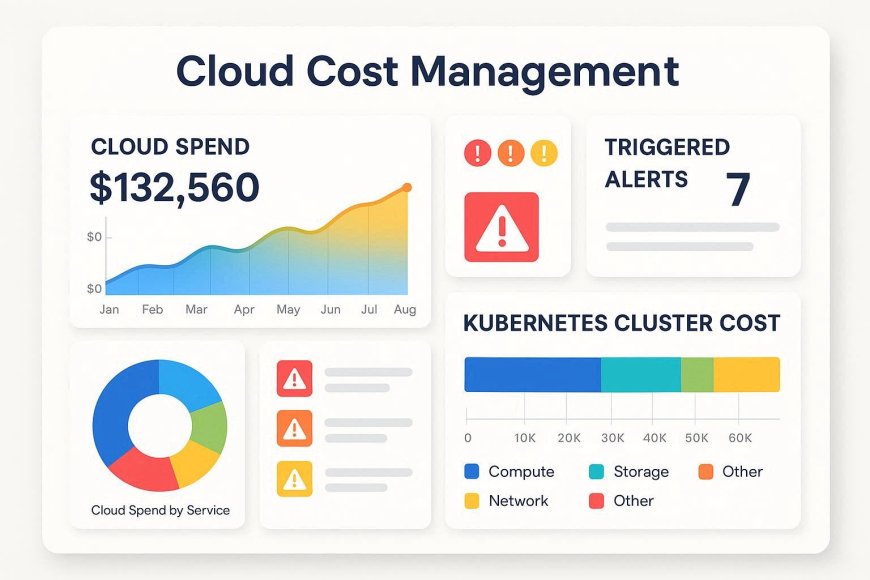
- Enable cloud cost dashboards: AWS Cost Explorer, Azure Cost Management, GCP Billing Reports.
- Set automated alerts for spending thresholds.
- Integrate alerts with Slack/MS Teams for team visibility.
- Use Kubernetes cost monitoring tools like Kubecost to track cluster spend.
5. Optimize Storage & Data Transfer
Storage and network costs often spiral unnoticed.
Solution:
- Delete old snapshots, unused volumes, and temp data.
- Use tiered storage (e.g., AWS S3 Standard → S3 Glacier) for infrequently accessed data.
- Minimize inter-region or inter-cloud data transfers.
- Automate lifecycle policies using IaC or cloud-native automation.
Bonus Strategy: Tagging & Resource Governance
- Implement resource tagging for environment, owner, and cost center.
- Use policy-as-code tools (OPA, Cloud Custodian) to enforce governance.
- Analyze spend per team/project to identify cost optimization opportunities.
Conclusion
Cloud cost optimization is no longer optional—it’s essential for modern DevOps teams. By combining autoscaling, automated infrastructure, spot instances, real-time monitoring, and storage optimization, organizations can reduce costs without sacrificing performance or agility. Integrating these strategies into DevOps pipelines and Kubernetes workflows ensures sustainable, predictable, and efficient cloud spending in 2025.