















The Payment Card Industry Data Security Standard (PCI DSS)
The PCI DSS is a global security service for those organizations who deal with debit/credit card personal data essentials. Organizations must register as a PCI SSC Participating Organization (PO). PCI DSS provides the rules to ensure a safe environment for cardholder data, protecting both customers and businesses from online theft and fraud.

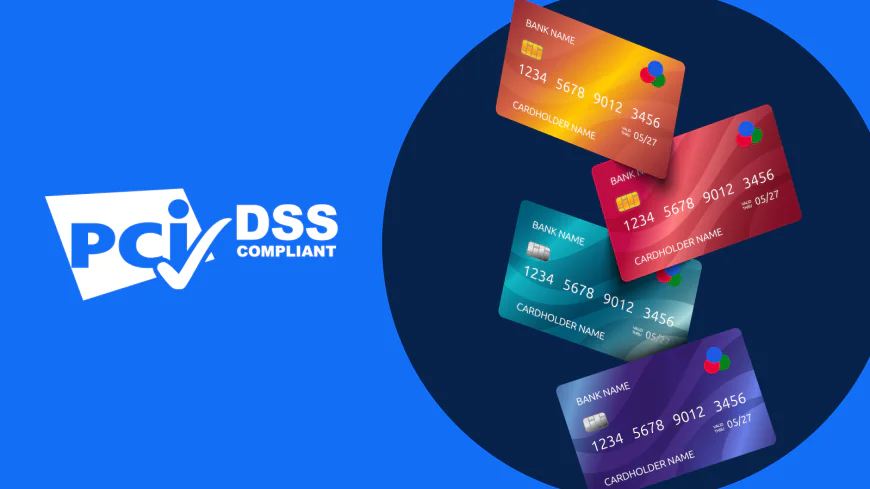
This council mandates all entities that hold customers ' personal details, such as PAN information and other sensitive information, to protect customer data for secure online payment gateways. Many well- known brands enforce this rule for their safe and smooth business operations. These organizations need to adhere to all safety measures to avoid any misleading actions and to gain customer trust.
What is PCI DSS:
It is a global standard for payment card and sensitive authentication data protection. Which is managed by PCI Security Standards Council (PCI SSC).
Who does it apply to:
It applies to those organizations who accept, store, and process cardholder data.
Key features of PCI DSS:
Security: Ensure the full safety of all the sensitive data, shared by the card holders. While opting for any online transactions, asking for their card details is completely secure under PCI DSS guidelines.
Trust Building: By enforcing the strict rule adherence these organizations can build their strong trust with existing and new customers as well. This trust must be gained and maintained for the safety of shared details and to grow the business efficiently.
Safe Environment: Responsible brands keep an active eye and a regularly track of all transactions to create a safe payment environment and avoid any suspicious online activity. Providing a secure and trusted environment for customers grows a healthy business.
Risk Prevention: Brands can minimize their risk of fraud and data misuse by following established guidelines. When a customer shares personal details with trusted brands, they believe their data to be fully confidential. These brands prevent their internet threats by diligently adhering to the given guidelines.
Regular Inspection: Conducting regular checks and tests on networks to streamline their work is the most important aspect of PCI DSS. These efficient evaluations create a strong and reliable foundation.
Sustain a Protected Program: Constantly working toward a risk free and fully trusted system. Updating anti-virus software and securing networks from any potential threat are critical features of PCI DSS.
Essentials:
PCI DSS outlines 12 high-level requirements, often grouped into six goals
Including building and maintaining secure networks
Protecting cardholder data, and implementing strong access controls
It involves technical and organizational standards
Requiring businesses to implement controls like firewalls
Strong passwords, and secure network management
And compliance is contractually enforced through annual assessments

Compliance levels:
Compliance is based on four different levels of financial transactions accordingly.
First level applies to transactions above 6 million/year and requires an annual assessment by a Qualified Security Assessor (QSA). The rest of the levels 2, 3, and 4 qualify for lower transaction volumes.
Level 1: Over 6 million transactions per year – It requires an annual assessment on compliance by a QSA and quarterly approved scans.
Level 2: 1-6 million transactions per year – This level requires an annual Self-Assessment Questionnaire (SAQ) and quarterly scans.
Level 3: 20k-1million e-commerce transactions per year – Requires annual SAQ and quarter scans.
Level 4: Below 20K e-commerce or up to 1million other transactions per year – Requires an annual SAQ and bank’s digital scans of documents.
Values:
- Maintain a secure and protected network system for smooth operations. Easy going operations provide a safe and secure environment for the general public regarding any digital payments.
- Protect card holder’s personal and sensitive information. While using their card details for any digital payments, that information should remain confidential between the individual and the trusted companies.
- Strong access control over the operational networks. When people use any channel or system for online payments the responsible organization has a sturdy control over those operating networks.
- Regular monitoring of the security system. Conducting a streamlined checkups of all security systems on a regular basis provides a strong trust foundation for the customers.
- Strong rules and guidelines reduce the online payment risks. Establishing clear and strict guidelines to be followed by responsible organizations ensures that customer data is fully protected. Powerful adherence streamlines the process and reduce the risks of any cyber threats.

Consequences of Non-Compliance:
Failure to comply can lead to heavy fines
Increased transaction fees
Legal action
And termination of the ability to process further.
Major card brands enforce the PCI DSS. Non-compliance can fine as a repercussion to these organizations.

SUMMARY:
This security service provides a fully trusted features and guidelines to the card-holders so they can process their online transactions without any hesitation. Also,they can confidently use their card for digital payments as they have a fully secured standard to protect their hard-earned money.
Conceptualized by major card brands (Visa, Mastercard, American Express, Discover, and JCB), it provides a universal framework that eases international business.