















Ransomware and state-sponsored APT are the most dangerous cyber attacks in the world!
Ransomware attacks in 2025 often use AI to launch highly targeted, adaptive attacks that encrypt data and demand large ransoms. State-sponsored APTs focus on stealthy, long-term cyber espionage to gain strategic advantages. Both pose severe risks and require advanced AI-driven defenses and continuous vigilance to protect organizations from costly breaches and disruptions.

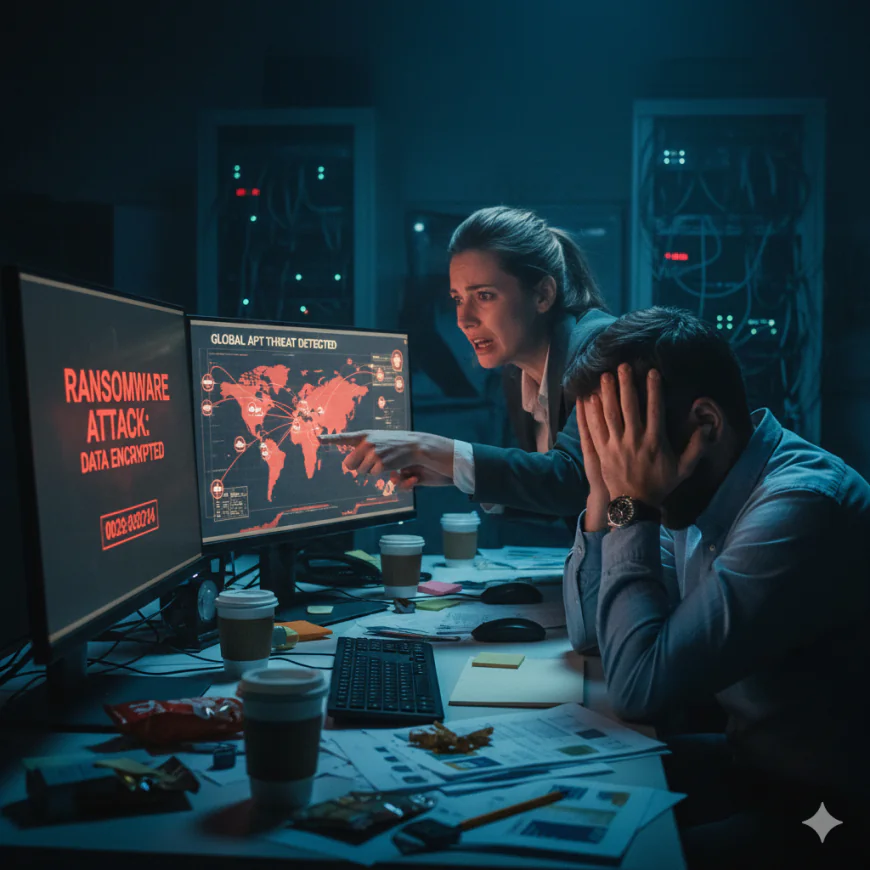
Ransomware and State-Sponsored APTs: The Titans of Cyber Threats
Because of the world's reliance on digital infrastructure, cyberattacks have the potential to destroy businesses, impair vital services, and even jeopardize national security. As we move into 2025, ransomware and state-sponsored Advanced Persistent Threats (APTs) stand out among the many varieties of cybercrime as the most deadly and disruptive forces in cybersecurity.
Comprehending Ransomware: The Lucrative Horror
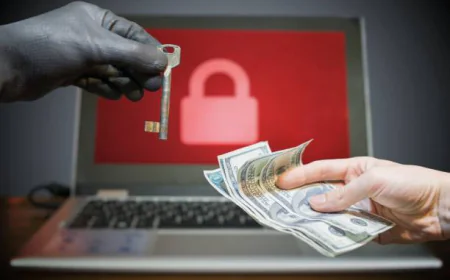
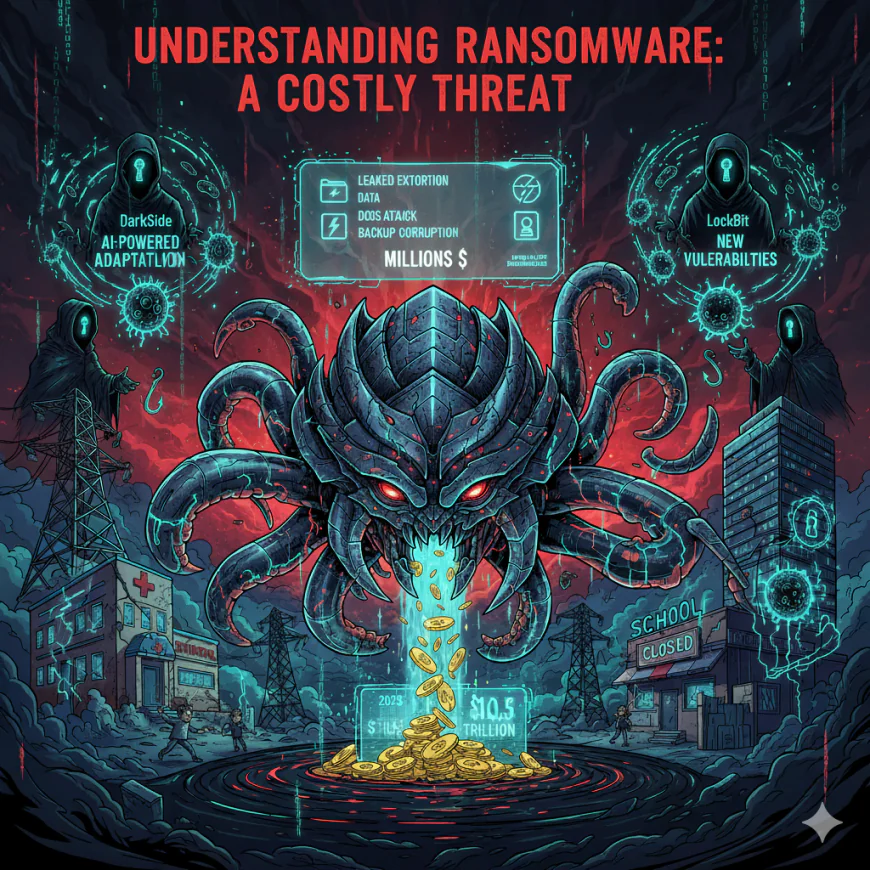
Ransomware attacks encrypt files and hold data hostage until victims pay the demanded ransom. The operational and financial ramifications are enormous; industry estimates indicate that by the end of 2025, ransomware expenses will have surpassed $10.5 trillion. Not just big businesses are impacted by ransomware; it also targets hospitals, schools, utilities, and small businesses, causing critical services to come to a complete stop.
The number and sophistication of ransomware has been growing rapidly. By 2025, it is customary for ransomware attackers to utilize a multi-extortion approach. The hackers not only encrypt the data, but threaten to disclose confidential information, perform DDoS attacks, and create problems for the victim's backups to make sure that all avenues of cooperation have been exhausted. The average ransom demand is routinely in the millions of dollars.
Notable families such as DarkSide, Maze, and LockBit use advanced evasive techniques, highly targeted phishing attacks, and stealthy delivery mechanisms. Many ransomware strains are also adopting user-type artificial intelligence that makes these strains able to detect and adapt to existing defenses in real time, and to identify new vulnerabilities as well, making traditional cybersecurity tools much less effective.
The Unrivaled Reach of State-Sponsored APTs
If ransomware attacks target profit, state-sponsored APTs generally operate more on the basis of geopolitics. An APT is a rather organized group, often operating under the auspices of a national government, performing attacks that are structured, carefully planned, and can be exceedingly “impactful” and effective. APTs are known to be responsible for all kinds of efforts to gain advantage over their enemies: spying, intellectual property theft, sabotage, and even physical targeting of infrastructure.
Recent news cycles have enjoyed covering APTs out of Russia, China, North Korea, and Iran, as an example. In 2025, Russian hackers have ramped up their attacks primarily on the Ukrainian critical infrastructure targets, including government networks, the energy grid, and defense support processes. Not to be outdone, Chinese APTs have breached Western governmental data, elections and political process data, technology company data, and even breached critical cloud environments. The attacks are often stealthy and went unnoticed for extended periods of time (i.e. months) while our adversaries exfiltrated high value and sensitive information.
Transparency Tribe (APT36) gained some notoriety for its multiple attacks against Indian government agencies, rival defense industries, and diplomatic processes. The attacks against Indian intelligence did more than just let intelligence informal go, they heightened tensions between countries and impacted political stability. In situations like this, to add to the difficulty, attackers might time their attacks to coincide with elections or other large “national events” to improve their chances of disrupting the event.
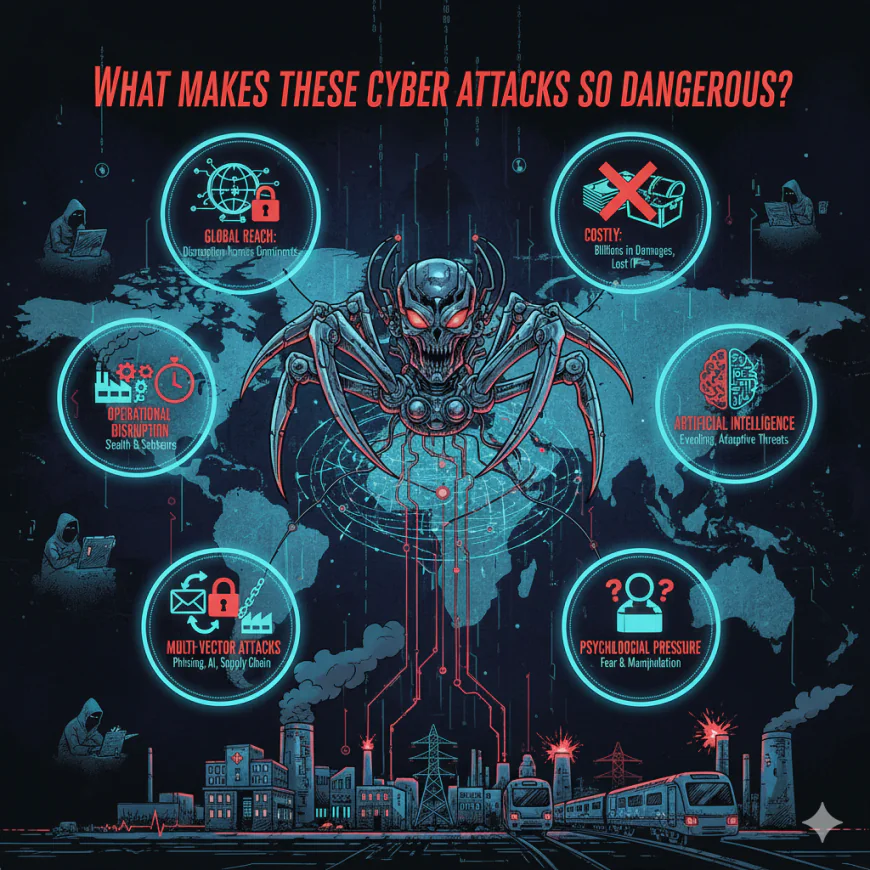
What Makes These Cyber Attacks So Dangerous?
Global Reach: Ransomware and APT operations can have a worldwide impact. A single ransomware episode can spread through organizational networks, affecting multiple countries by shutting down transportation services, the healthcare system, or utilities.
Costly: Ransomware alone costs organizations billions of dollars a year. While APT attacks may not seek monetary gain, the cost of breached secrets, lost intellectual property, and recovery is unlimited.
Operational Disruption: APTs can reside unnoticed for months or years while collecting intelligence, sabotaging infrastructure, and set for coordinated strikes. The very presence of an APT signifies suspicion, whose impact goes far beyond immediate monetary loss.
Artificial Intelligence: Attacks leveraging AI bypass traditional security without an individual seeing the dots being connected, blend in with legitimate processes, and evolve as defenses are modified. AI is being utilized now as part of a ransomware targeting and executing attacks with terrifying detail.
Multi-vector Attacks: Ransomware and APTs enhance their likelihood of success by utilizing combinations of , phishing, malware, supply chain attacks, even deepfake social engineering.
Psychological Pressure: Increasingly, criminals and nation states are using fear and uncertainty to push and manipulate victims into action or inaction, whether that action is to pay a ransom or swing the outcome of an election.
Real-World Examples from 2025
As early as January 2025, Russian aggressive moves against Ukraine increased an astonishing almost 70%, resulting in thousands of events directed against the government and critical infrastructure.
North Korean hackers conducted the largest theft of digital currency to date, stealing $1.5 billion in Ethereum from a Dubai exchange.
Chinese APT (Advanced Persistent Threat) groups and hackers ramped up the volume of ongoing cyber attacks against Taiwan’s government and telecom networks from roughly 1.2 million to 2.4 million attacks per day in 2024, with successful attacks of at least 20% more than the previous year, and increasing attack volumes.
Massive ransomware attacks occurred across hospitals in the U.S. and Europe, relocating patients and requesting emergency services to temporarily suspend their activities.
Improving Defense and Countermeasures
Defenders are not sitting idly by. Cyber teams each have to address funds, organization, and technology from adversaries who are better funded, organized and with technology that is superior. Here is how organizations are responding:
Zero Trust Security Models: Instead of granting trust to internal users on an a priori basis, every access attempt must be verified, which slows down the movement of hackers that have already moved into your environment.
Threat Intelligence and AI: Machine learning systems are detecting abnormal network traffic, identifying behavior changes of computers, people, etc., and tracing the footprints of an attack that otherwise would have "slipped" past human analysts.
Incident Response Playbooks: Organizations have already thought through and designed their response to ransomware and other APT-like incidents, letting them contain and recover faster.
Global Cooperation: National governments as well as the business community are cooperating to share information about APTs, patterns, TTPs, indicators of compromise, in the hopes to have any potential attacker "slow down".
Employee Education: With phishing attacks being a key vector, continued employee training and phishing tests can be a reminder to employees to "be careful".
However, regardless of developments in technology, attackers continue to evolve their schemes – whether by double extortion – readying the fileless malware and social engineering capabilities provided via deepfakes – such that defenders are often one step behind.
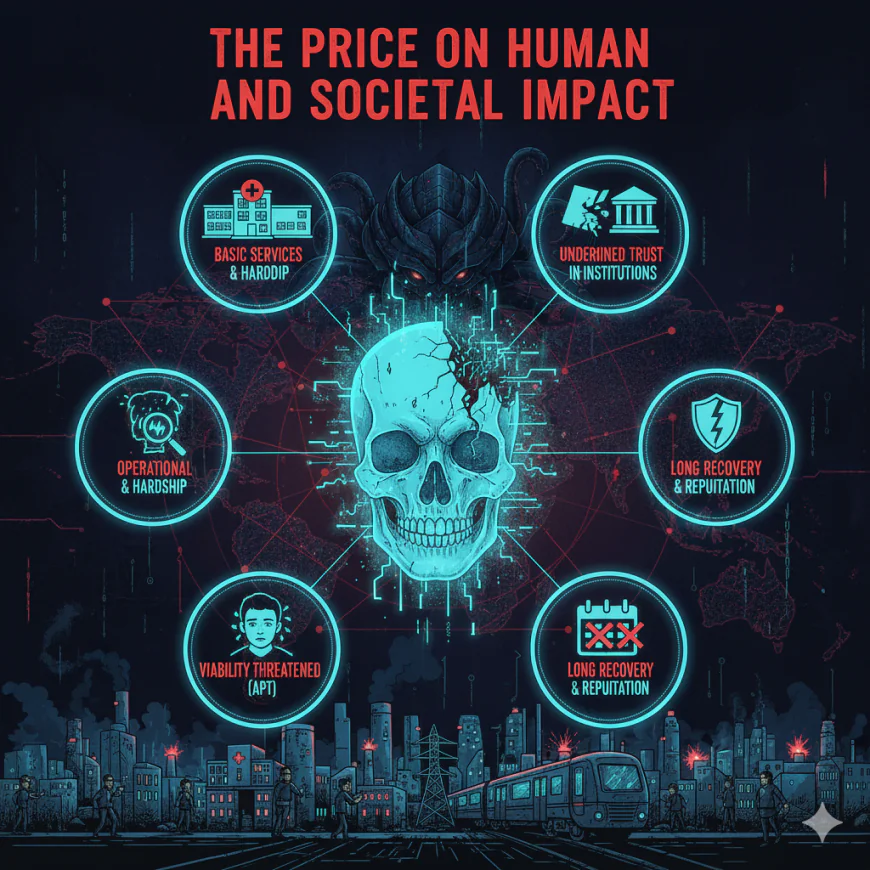
The Price on Human and Societal Impact
Cyber incidents are no longer solely a concern of a technical nature: they have a social dimension. Ransomware-as-a-service attacks on hospitals and school districts reach into the access of basic service and hardship for individuals. Cyber operations targeting elections, banks, or utility companies can undermine the public’s trust in institutions and the concepts in democracies that bind us as society.
For the victims, recovering data or restoring operating capability can take weeks. The reputational cost of a public focus of an organization is years and can threaten the viability of entire organizations or agencies to operate; i.e. the subject of APT. The social cost – a national or international focus or where stolen secrets influence foreign relations or affect equities markets that reach throughout the globe.
Final Thought- Cyber Resilience in the Age of APT and Ransomware
Ransomware and APT, state sponsored on a global scale, are the cyber threats defining our era. The damaging potential of the human and societal cost of APT or Ransomware action are difficult to ignore; a new, artificial intelligence, utilizing multi-vector approaches provide a means for destructive action that will dictate a new standard of response. A continuous cycle of advanced technology, on-going training, and preparedness are the only viable means for individuals and organizations.
Given the threats presented above, cyber resilience, the ability to restore resources and recover with rapidity - must be our new priority.
Investing in regular employee education, automated threat detection, rapid incident response, and international cooperation is not optional: it is the only way to ensure a safer digital future for everyone.