













WhatsApp SIM Card Requirement: India's New Cybercrime Prevention Policy Explained
India's new Telecommunication Cybersecurity Amendment Rules 2025 mandate active SIM cards for WhatsApp. Learn how this cybercrime prevention policy affects you.


India Mandates Active SIM Cards for WhatsApp: What You Need to Know
The Indian government has given new cybersecurity regulations that demand WhatsApp users to have active SIM cards associated with their phone number linked to the account. The cybercrime prevention policy, meant to reduce online fraud and improve digital security, stirs up important debates on effectiveness and user convenience amongst cybersecurity experts and app users.
WhatsApp without an active SIM card could soon be a thing of the past. The Indian government is bringing in far-reaching new telecommunications rules that put messaging apps at the heart of its cybersecurity policy. According to the Department of Telecommunications, or DoT, the Telecommunication Cybersecurity Amendment Rules, 2025, require every WhatsApp account to retain an active SIM card linkage at all times. The move is part of broader efforts to combat the growing tide of online fraud, impersonation, and spam affecting India's digital economy.
WhatsApp and similar messaging apps have been given a 90-day compliance window to implement new cybersecurity requirements. The new regulatory framework includes automatic logout provisions for WhatsApp web sessions after six hours; the users need to re-authenticate the session via QR code scanning. According to government officials, these stern measures will ensure that fraudsters cannot perform their malicious activities anonymously or utilize inactive SIM cards to commit financial fraud.
Understanding India's New WhatsApp Cybersecurity Rule
What is the Telecommunication Cybersecurity Amendment Rules, 2025?
Under the new directive, WhatsApp has been classified as a Telecommunication Identifier User Entity, or TIUE-a new regulatory category that expands government oversight beyond conventional telecom operators. This puts WhatsApp on equal regulatory footing with the large telecommunications companies, which must adhere to tough cybersecurity protocols and standards for the verification of users.
The core of this fresh cybersecurity rule is the binding of the SIM card. In practice, WhatsApp always checks that the registered SIM card is active and inserted in the user's device; once this is removed, swapped, or deactivated, the WhatsApp functionality stops right away.
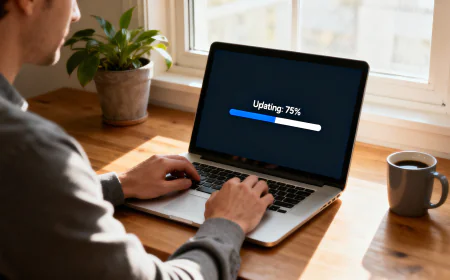
The DoT had instructed WhatsApp, along with other messaging apps like Telegram, Signal, and Snapchat, to implement this cybersecurity mechanism within three months. It also covers the WhatsApp Web app, which started automatically logging out users every six hours as a security measure. Users need to scan a QR code to access again after every logout.
According to various statements from regulators, these measures will ensure deeper detection of fraudulent communications. COAI told MediaNama that "the binding process between a subscriber's app-based comms service and their SIM happens only once during installation, following which the app operates independently. This leaves room for fraud," adding that constant SIM verification will iron out such security gaps.
Officials also expect these steps to help in countering international scam networks, as cybercriminals often use unused or foreign SIM cards to commit financial fraud and phishing attacks on Indian citizens.
How India's New WhatsApp SIM Policy Affects Indian Users
Impact on WhatsApp's 500+ Million Indian Users
The new policy against cybercrime may ask India's more than 500 million WhatsApp users to make some trade-offs between convenience and added security. The conditions of compulsory 'presence' of the SIM card within the registered device may be a bit of a challenge for users using Wi-Fi-only tablets or switching devices frequently.
Though some cybersecurity experts agree that SIM binding may enhance traceability in communication and help reduce fraud, doubts still prevail among the security fraternity. Critics argue that fraudsters can easily access new SIM cards using fake or borrowed identities, which makes SIM binding inadequate as a solo anti-fraud measure. Another point they make is that financial fraud continues to occur despite similar authentication requirements already in place in banking and UPI applications.
Critical Concerns About Implementation
Another big challenge is the reliability of India's telecom subscriber database on which the entire verification system is based. Security experts say the number of identity fraud cases has not seen a dramatic decline even after the integration of facial recognition and the introduction of video KYC procedures in 2023. Historical precedent questions the effectiveness of such policy.
However, the new directive has been supported by telecom industry bodies. The COAI told MediaNama that mobile phone numbers were India's "most updated and monitored identity," and that the government aimed to "extract more value from this national resource" in order to strengthen cybersecurity infrastructure and user accountability.
What's Next for WhatsApp Users in India?
WhatsApp has been given 90 days to enforce these cybersecurity changes. Once fully deployed, Indian WhatsApp users will find their accounts work only as long as their linked SIM cards are active. Users might need to frequently log in again in order to stay connected, particularly with WhatsApp Web.
This mega cybercrime prevention policy represents one of India's most comprehensive attempts to regulate the security of messaging apps. With the enforcement date looming large, both users and cybersecurity professionals will very closely watch whether these measures actually ensure a cut in fraud or inadvertently create obstacles to legitimate app usage.