















Nikkei Data Breach in November 2025
Cybersecurity experts have detected seven significant weaknesses in ChatGPT that belong to OpenAI, comprising prompt injection and memory attacks, which may enable cybercriminals to steal user data from chat histories and AI memories without being noticed. These problems affect the GPT-4o and GPT-5 models and although some repairs have been made, the risk still exists and it is possible that millions of users all over the world are vulnerable to unseen attacks through AI.


Via its compromised Slack messaging platform, Japanese publishing behemoth Nikkei Inc. has formally revealed a major data breach affecting more than 17,000 employees and commercial partners. Discovered in September 2025, this large cybersecurity incident reveals important weaknesses in contemporary corporate cybersecurity infrastructure during the AI mode digital transformation era and is among the biggest security breaches affecting a worldwide media company.
With 37 overseas editorial offices, 1,500 employees globally, over 3.7 million digital paid subscribers, Nikkei, one of the biggest media companies in the world, controls The Financial Times and The Nikkei newspaper as well as 40 affiliated businesses. This breach has major repercussions for worldwide media and cyber security methods in the AI mode operative scene given the scale and influence of the group impacted.
Understanding the Attack: How the Nikkei Breach Occurred
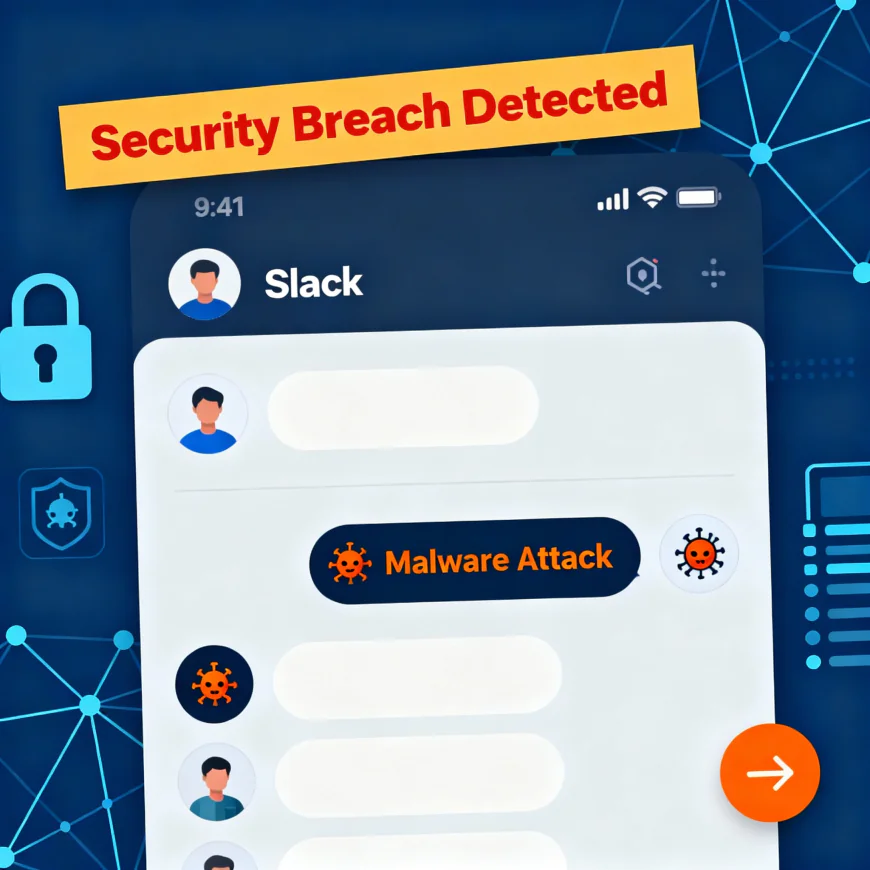
The Nikkei data breach was caused by unauthorized access to the company’s Slack messaging platform through a complex attack chain. The official statement by Nikkei confirmed that the attackers first used the malware method to infect an employee’s PC. Phishing emails or malicious attachments could be the standard vectors used for infecting the personal computer. After getting access to the worker's device, the attackers executed malware that was designed to steal the authentication credentials saved on the infected computer.
The passwords for Slack that were taken from the employee gave the attackers access to the employee's account in Slack without the alerting of any suspicious activity. By using the real usernames and passwords, the attackers got access to Nikkei's internal Slack workspace and were able to read years of internal communication, business discussions, strategic planning conversations, and employee directories. With the help of routine security audits, the security team of Nikkei discovered the unauthorized access in September 2025. After detection of the breach, Nikkei took emergency security measures right away, such as mandatory password resets, credential revocation, mature monitoring systems, and informing the affected people.
Scope of Data Exposure: Which Data Was Compromised
The inquiry revealed that attackers visited Slack accounts and gathered personal data impacting 17,368 registered users on Nikkei's Slack workplace. Exposed personal data comprised whole employee and corporate partner names, email addresses and contact information, full Slack conversation histories spanning years of organizational communication, internal business correspondence, and department memberships.
This reflects significant data exposure impacting Nikkei's Slack workplace members including employees, contractors, business partners, and affiliates. Nevertheless, Nikkei underscored that crucial data remained secret. The company verified that no data on sensitive journalistic sources, reporter contacts, sensitive reporting operations, or news-related communications had been breached. Nikkei declared: "No leakage of information relating to sources or reporting activities has been confirmed. We take this incident seriously and will reinforce personal information management to avoid recurrence."
About Nikkei: Why This Breach Matters
The significance of Nikkei as an organization helps to understand the reasons why this breach is considered a major cybersecurity incident. Nikkei is a leading media conglomerate globally with digital paid subscriptions of about 3.7 million, which allows it to have a great impact on the reporting and financial news of the world's business. The organization made a big step in the international financial journalism market when it took over the Financial Times in 2015.
Nikkei has 37 overseas editorial offices, spreads its journalists more than 1,500 in the world, and is the owner of 40 companies involved in publishing, broadcasting, events management, database services, and financial index operations. The worldwide scale and impact of Nikkei on financial news make it very attractive for cybercriminals, foreign governments, and cyber espionage to gain access to sources of news, business intelligence and expert communications.
Regulatory Compliance and Response
Nikkei reached the conclusion that the breached personal data did not actually fall under the threshold of mandatory reporting set by Japan's Personal Information Protection Law. Nevertheless, the company still decided to inform Japan's Personal Information Protection Commission. This challenge strategy shows that the company is socially responsible and has a solid commitment to transparency that goes beyond the minimum legal requirements. By taking the step of informing the authorities and the affected people openly, Nikkei made itself known as a responsible company that is dedicated to safeguarding personal data even though it has gone through a serious security event.
Historical Context: Nikkei's Previous Cybersecurity Incidents
The 2025 Slack breach is a new turn in the road for Nikkei regarding cybersecurity. A ransomware attack hit the Singapore subsidiary of Nikkei in May 2022, which resulted in the company losing access to its servers storing customer data. This incident brought to light the lack of international subsidiary security measures and the need for a centralized cybersecurity management structure across the entire company.
More importantly, in September 2019, Nikkei America was at the receiving end of a large-scale business email compromise (BEC) attack. The attackers, who were very sophisticated, used the email of the company executives to convince one of the employees to process a fund transfer that was not authorized. As a result, the company lost around $29 million that went to bank accounts controlled by the attackers. These historical incidents are a strong indication that Nikkei is still in the line of fire of sophisticated cyber threats that demand constant upgrading of security measures.
Cybersecurity Implications in the AI Mode Era
The Nikkei hack has very significant consequences for companies that are part of the current AI mode-driven digital world. To start with, the security of endpoint devices is still essential even though cloud platform security has increased significantly. The hackers obtained access to the communication systems of the organization through the infiltration of a single employee's computer.
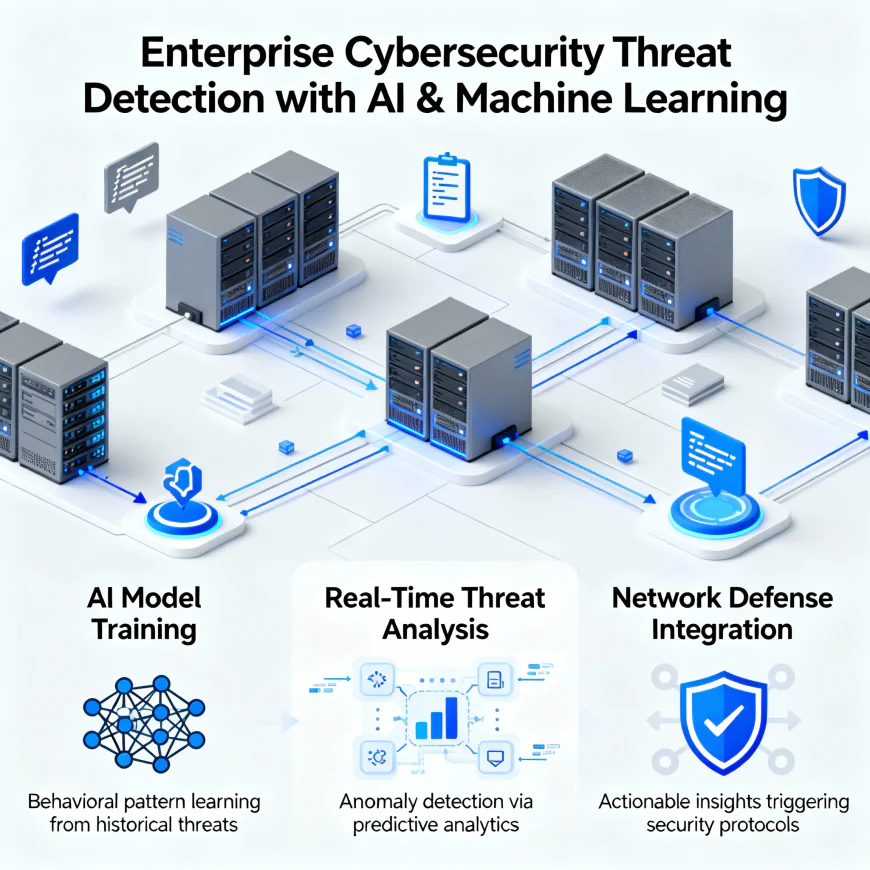
Identity and credential theft protection must encompass a range of tactics incorporating multi-factor authentication, passwordless authentication methods, and continuous credential monitoring. Furthermore, cloud collaboration platforms are the primary targets for cybercriminals offering them access to the internal communications and business intelligence of the company for years. Lastly, businesses that function in AI mode formats need to adopt security practices that are specific to their platforms such as activity monitoring supported by machine learning and behavioral analytics.
Enterprise Cybersecurity Protection Recommendations
To avoid attackers from obtaining credentials, media, and publishing companies should apply extensive endpoint security with behavioral analysis functions to detect malware infections first. The application of universal multi-factor authentication across different cloud platforms guarantees that even if passwords get compromised, still, the attacks will not take place based on credentials. Strengthening the defenses of human security through regular security awareness training that focuses on phishing, malware, and social engineering is effective.
Overlapping security measures for Slack that consist of activity monitoring, limiting workspace permissions, and deploying security applications that uncover access patterns are all part of layered defense. Having a meticulous incident response planning in place allows for quick detection and sealing of compromises. The companies should welcome the zero-trust architecture concepts, the implementation of data classification systems that are coupled with data loss prevention technologies, and the creation of uniform security policies across global subsidiaries.